What is a composite, and why should you understand composites?
You may have heard the word composite and wondered: what is a composite? How is it different from steel and aluminum? And why do engineers turn to composite materials in industrial, building and even aerospace projects? The short answer is that composites let the material and the structure be designed together: instead of accepting the fixed properties of a metal, the engineer can choose the fiber type, resin type, fiber content and fiber direction so that the part has exactly the properties the application needs.
Low weight, high strength, corrosion resistance, electrical non-conductivity and heat resistance have led to composites being used widely in industrial, structural and consumer applications — from electrical insulators and telecom equipment enclosures to the defense, automotive and boat-building industries.
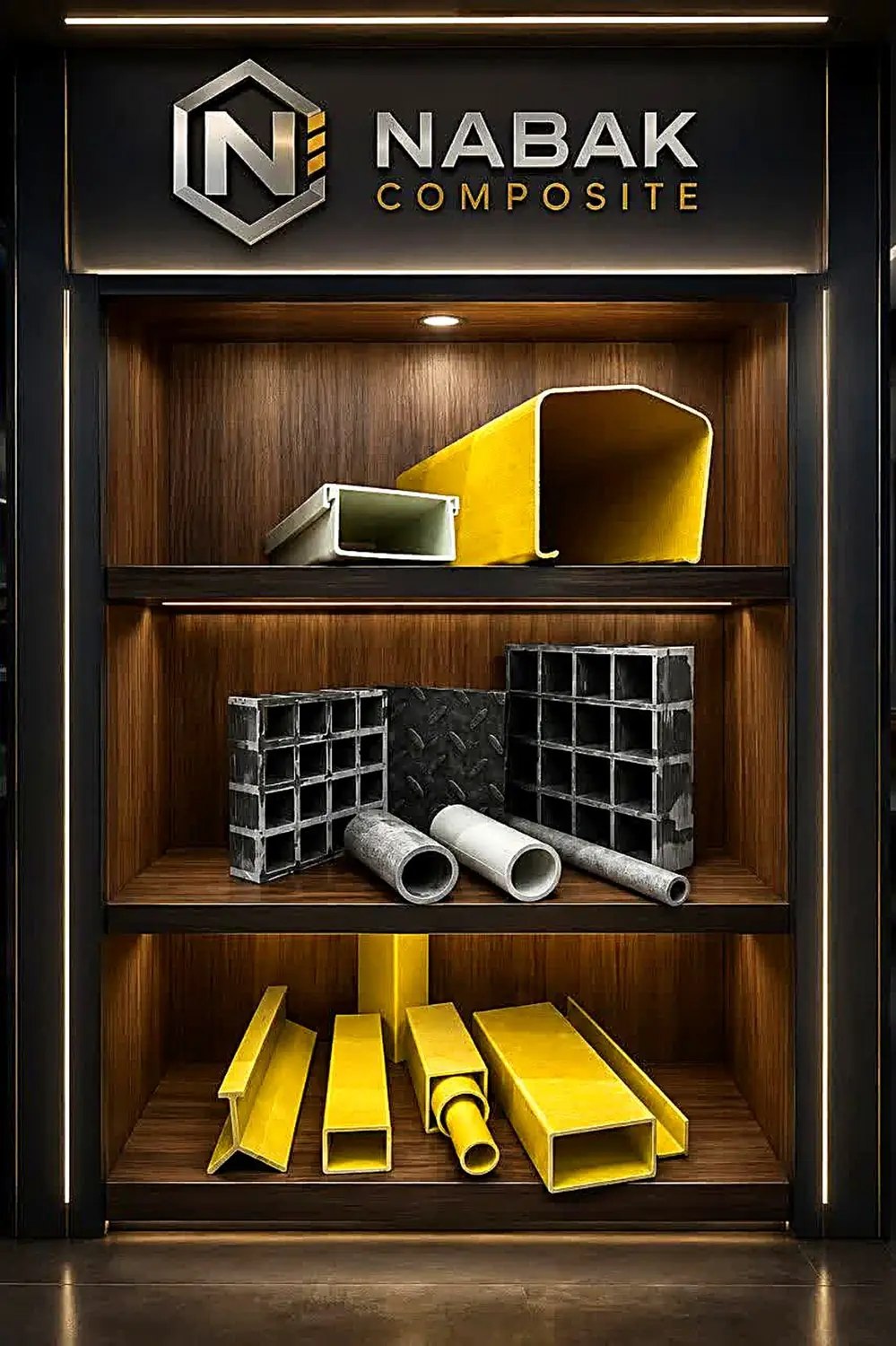
What is a composite? The scientific definition
A composite (composite material) is a material made of two or more constituents with different physical and chemical properties, in such a way that the constituents remain distinguishable in the final structure and their combination produces properties that none of them has alone. This definition distinguishes a composite from an alloy: in metal alloys the elements dissolve into one another at the atomic scale, whereas in a composite the constituents (for example fibers and resin) remain separate at the macroscopic scale, each with a specific role.
Composite materials are sometimes loosely called "fiberglass", but the full answer to "what is a composite" goes beyond fiberglass. Fiberglass is really the name of the glass fiber, and fiberglass composite (GRP) is only one type of composite; carbon, aramid, metal-matrix and ceramic-matrix composites belong to the same family.
The properties of a composite part differ from those of each of its constituent materials. In general, the mechanical, chemical, electrical and thermal properties of the final composite depend on four factors: the type of constituents, their proportions (fiber volume fraction), the size and shape of the constituents (continuous fibers, short fibers or particles) and how they are arranged and oriented. For quantitative prediction of properties, see predicting the properties of polymer composites.
The main components of composites
Composites are made of two main parts, each with a complementary job:
1. The structural part (reinforcement)
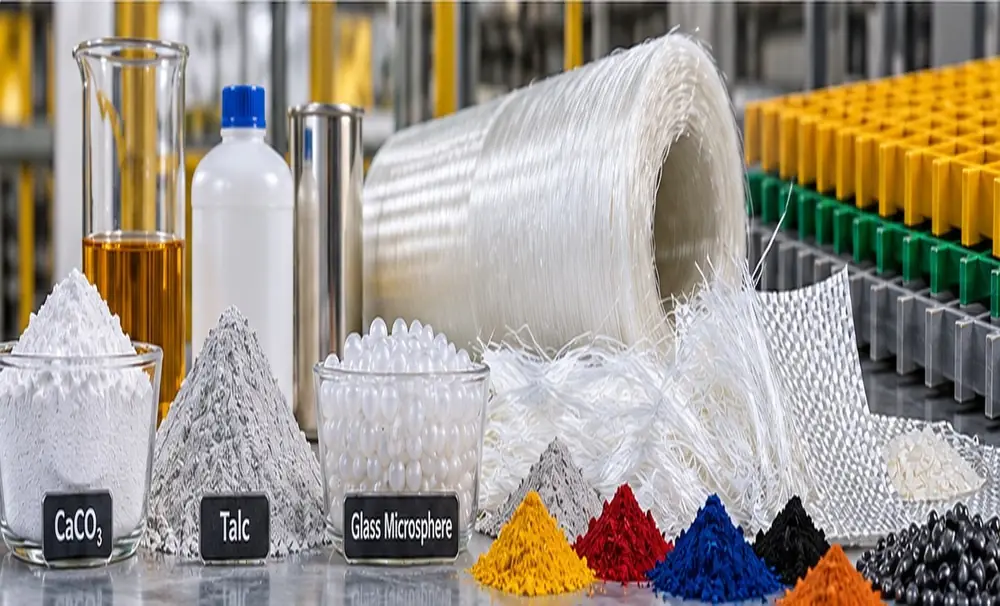
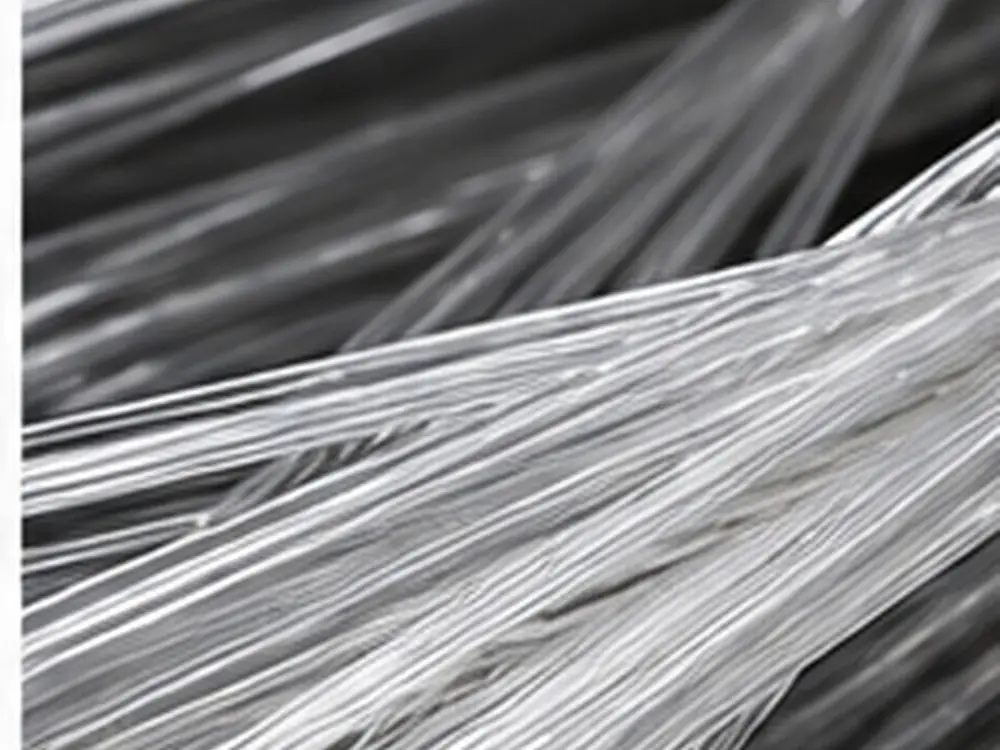
This is the fiber; the mechanical properties and load-carrying capacity of the composite part depend on it. Glass, carbon and aramid fibers are the most common reinforcements. Read the details inFiber types in composites.2. The matrix part
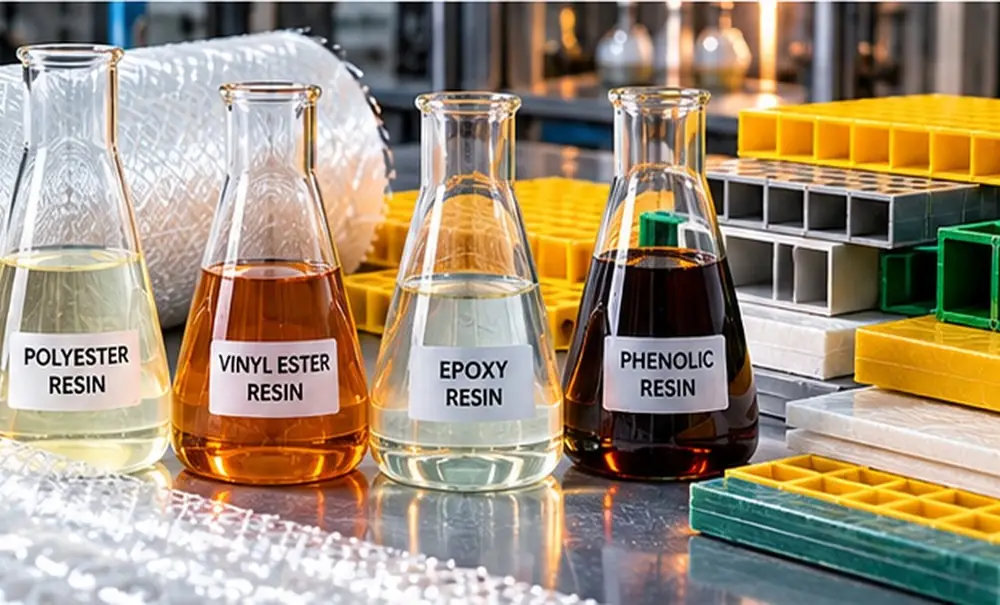
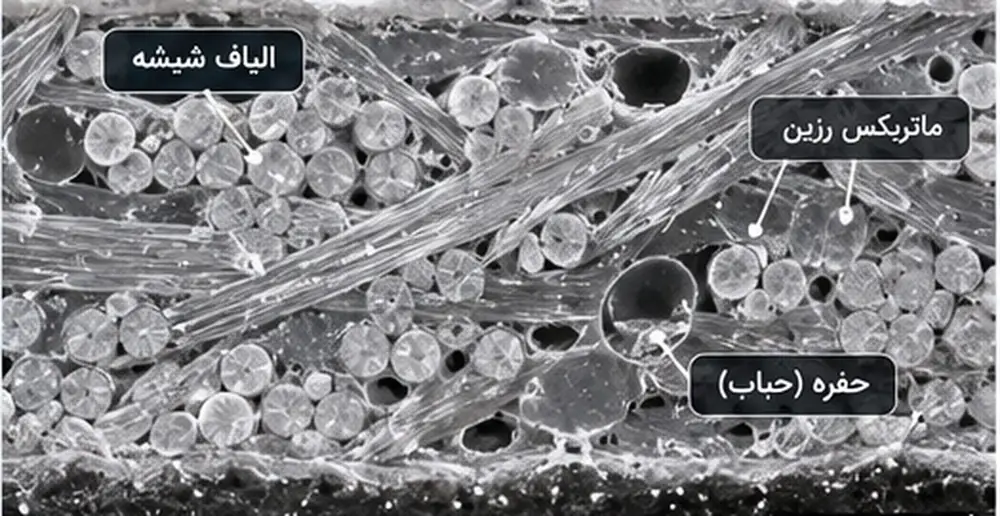
This is the resin; it holds the fibers together, protects them from heat, moisture and chemicals, and receives the applied stress first and then transfers it to the fibers. Polyester, vinyl ester and epoxy are the most common resins.3. Additives
In polymer matrix composites, besides fibers and resin, various additives (such as mineral fillers, flame retardants, UV absorbers, pigments and cure initiators) are added to the resin to achieve specific properties.4. The interface
The zone where fiber and resin bond, optimized by the fiber sizing; its quality determines how efficiently load is transferred from the resin to the fibers.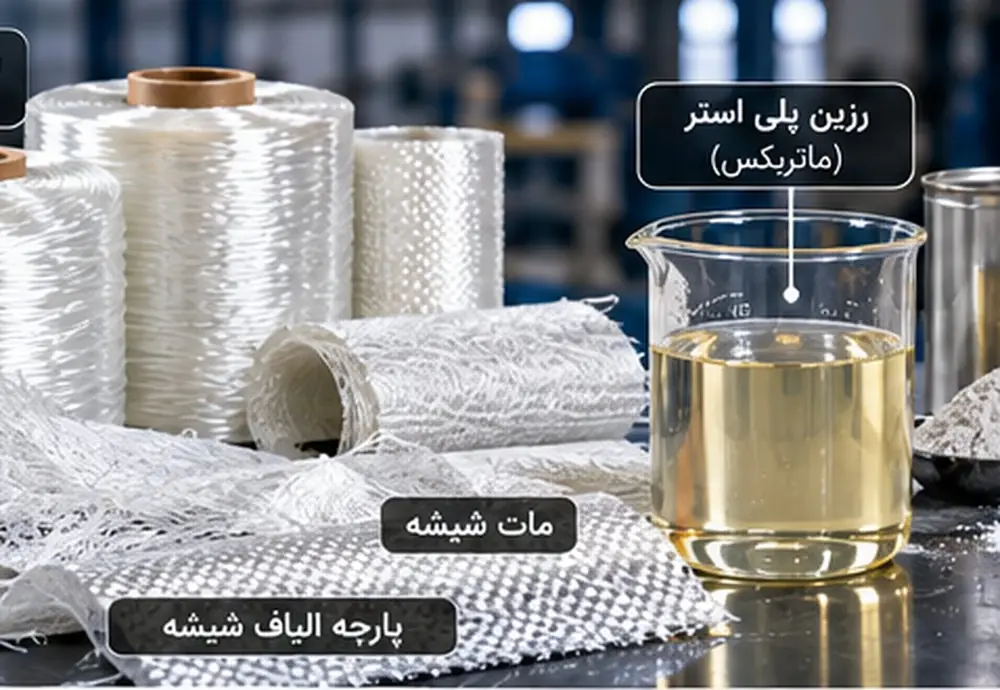
Composites compared with metals
| Feature | FRP composite (glass fiber) | Steel | Aluminum |
|---|---|---|---|
| Density (g/cm³) | 1.7 to 2.0 | 7.85 | 2.7 |
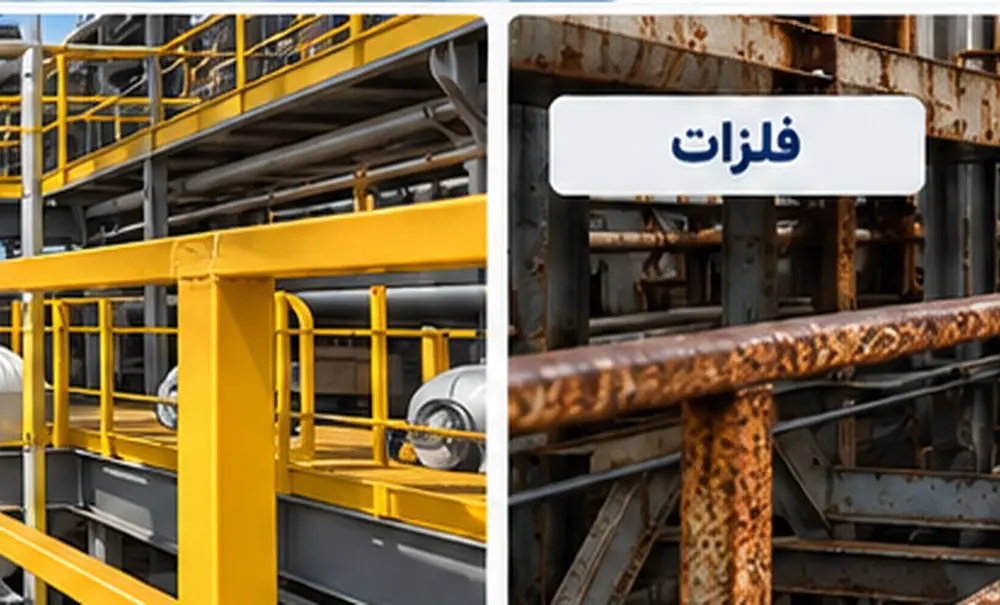
| Corrosion | None | Rusts | Corrodes in alkaline and chloride environments |
| Electrical conductivity | Insulating | Conductive | Conductive |
| Thermal conductivity | Very low | High | Very high |
| Isotropy | Anisotropic, designable | Isotropic | Isotropic |
| Elastic modulus | Lower (20 to 40 GPa) | 200 GPa | 70 GPa |
| Maintenance | Very low | Periodic painting | Low |
History of composites
Although composites are known today as advanced technology, the idea of combining two materials to make a better one is thousands of years old. The timeline below shows the key milestones in the history of composites:
From straw-mud bricks to the composite bow
Long before plastics and synthetic resins, the first man-made composites date back to antiquity, when straw and mud were mixed to make stronger building bricks. The straw acted as the reinforcing fiber and the mud as the matrix, preventing the brick from cracking as it dried; the method is even recorded in ancient Egyptian tomb paintings. Around 1200 AD the Mongols made the composite bow from wood, bone and animal glue — a bow that, thanks to its strength and flexibility, counts as one of the first composite military devices.
The birth of polymer composites
The modern era of composites began with the development of polymer plastics. In the late nineteenth century polymerization revolutionized materials chemistry, and the invention of synthetic resins with a cross-linked molecular network opened the way to industrial production of polymer composites. Since plastics and polymers on their own were not strong enough for structural applications, reinforcing them with fibers became a necessity.
In 1935 Owens Corning introduced the first industrial glass fiber. Researchers found that combining glass fiber with a polymer created a structure that was very strong yet light — the moment that started the fiber reinforced polymer (FRP) industry. In 1936 unsaturated polyester resins were patented; because they cure easily and are inexpensive, they are still the main resin in composite production. Shortly afterwards, higher-performance resin systems such as epoxies also became available.
World War II and the rise of the FRP industry
World War II accelerated the move of the FRP industry from research to production. Three main drivers fueled this growth:
- Military need: aircraft, helicopters and missiles needed light, strong materials; metal parts were strong enough but very heavy.
- Growth of the polymer industry: new markets for polymers were emerging, but their low mechanical properties made fiber reinforcement a priority.
- Discovery of strong fibers: the very high strength of glass fiber had been discovered, and the question was how to use it in military applications.
Engineers gradually discovered other advantages beyond low weight and strength; for example, because it is electrically non-conductive, fiberglass composite is transparent to radio waves, and it was quickly adopted for radar antenna covers (radomes) — a use that is still common in military and telecom equipment.
From boats to pultrusion, carbon and Kevlar
When the war ended and military demand fell, composite innovators looked for new markets, and boats were one of the first successful products; the first commercial composite boat hulls were introduced in 1946. In the same period Brandt Goldsworthy, often called the "father of composites", invented new processes and products, including the first fiberglass surfboard, and the pultrusion process is credited to him. Innovation in manufacturing continued with advances in pultrusion, vacuum bag molding and large-scale filament winding.
In 1961 the first carbon fiber was patented, and a few years later carbon fiber composites with an exceptional strength-to-weight ratio reached the market. In 1966 a DuPont chemist invented the para-aramid fiber known as Kevlar, which, thanks to its high tensile strength and low weight, became the main material for bulletproof vests and impact-resistant composites. In the 1970s high-performance polymer resins and specialty reinforcing fibers were developed, and from the mid-1990s composite materials entered mainstream manufacturing and construction, so that today they are a cost-effective alternative to traditional materials such as metals and plastics.
Four generations of composites
The evolution of composite materials in the twentieth century can be summarized in four generations, each bringing more strength, new fibers and resins (such as vinyl ester and advanced epoxies) and new production methods such as filament winding and vacuum bag molding:
| Generation | Period | Main feature |
|---|---|---|
| First generation | 1940s | Glass fiber reinforced composites (GRP) |
| Second generation | 1960s | High-performance composites (carbon and boron fibers) |
| Third generation | 1970s and 1980s | Search for new markets; diversity and innovation in specialty composites |
| Fourth generation | 1990s to today | Hybrid composites and nanocomposites |
Today, research on composites continues with the support of governments, manufacturers and universities. For example, in 2015 the US Department of Energy launched the Institute for Advanced Composites Manufacturing Innovation (IACMI) as a public-private partnership with about $259 million in funding, to reduce production costs, improve recycling and develop new fibers and resins.
Types of composite — classifying composite materials
There are several common criteria for classifying composites, and different sources offer different classifications. The four methods below are the most common. Each criterion describes the composite from a different angle, and a composite part can be named by several criteria at once — for example "a polymer-matrix composite reinforced with continuous glass fiber, made by pultrusion".
1. Classifying composites by matrix material
| Composite type | Matrix material | Characteristics | Typical applications |
|---|---|---|---|
| Polymer matrix composite (PMC) | Polyester, vinyl ester, epoxy and phenolic resins, and thermoplastic polymers | Light, corrosion resistant, easy and economical to produce; the bulk of the composites market | Profiles, grating, sheet, pipe, tanks, boats, vehicles |
| Metal matrix composite (MMC) | Aluminum, magnesium, titanium | Higher heat resistance and stiffness than the base metal | Engine parts, brakes, aerospace |
| Ceramic matrix composite (CMC) | Silicon carbide, alumina, carbon | Withstands very high temperatures with better toughness than monolithic ceramic | Gas turbines, brake discs, heat shields |
Polymer matrix composites are by far the most widely used type of composite and account for almost the entire industrial composites market. In this group, thermoset resins (polyester, vinyl ester and epoxy) cure by chemical reaction, while thermoplastic resins melt with heat and solidify on cooling.
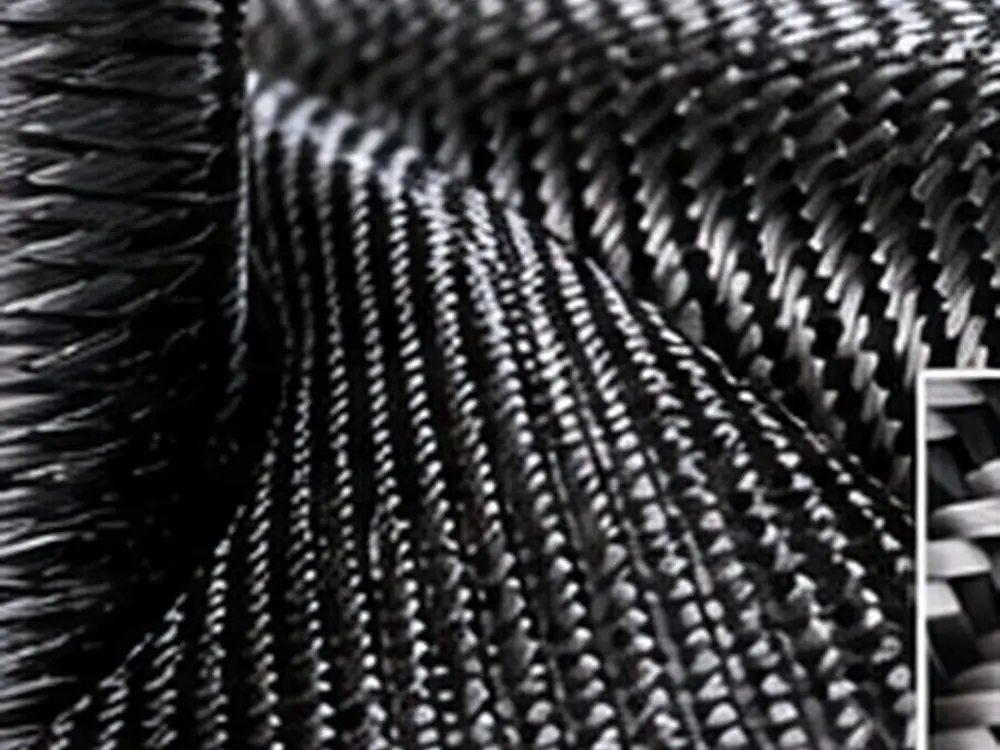
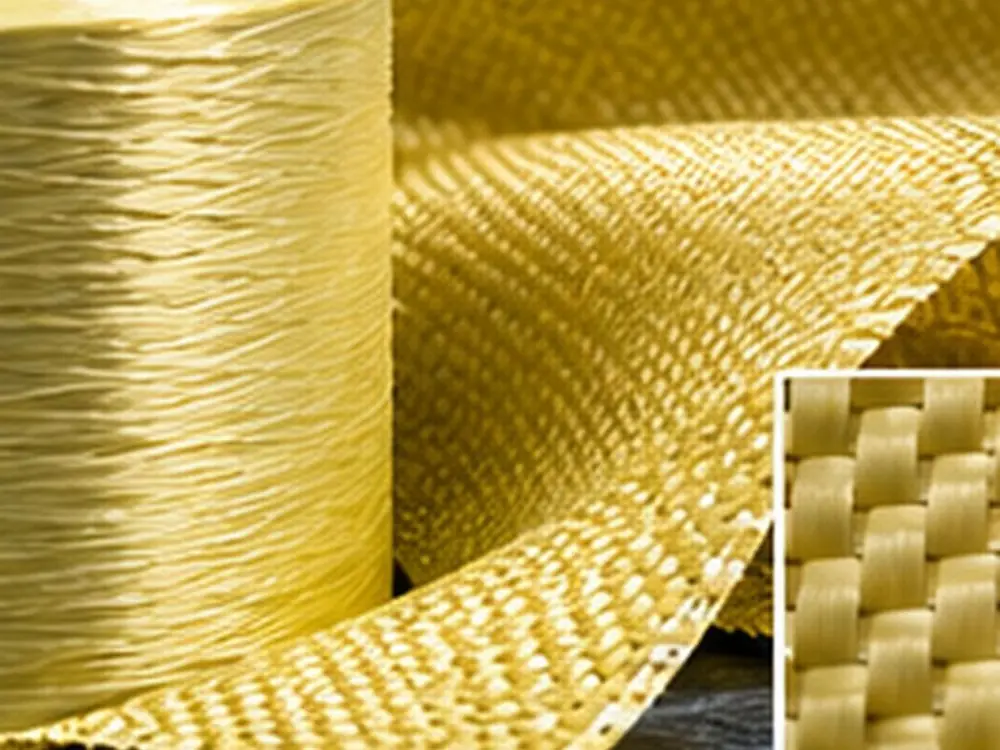
2. Classifying composites by fiber type (the structural part)
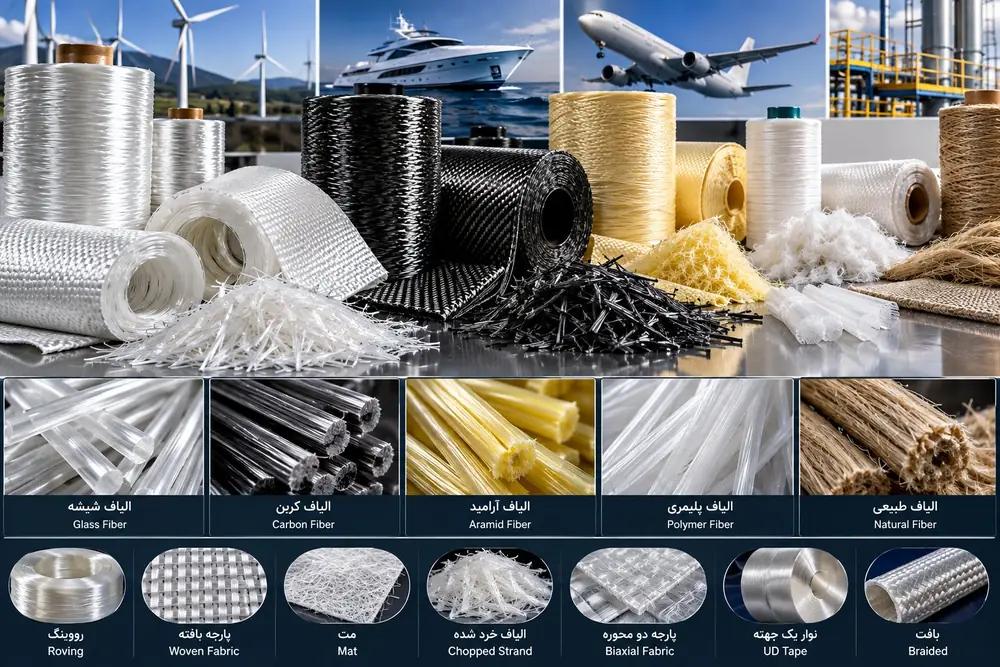
| Fiber type | Density (g/cm³) | Tensile modulus (GPa) | Feature | Composite name |
|---|---|---|---|---|
| Glass fiber (E-glass) | 2.55 | approx. 73 | Economical, insulating, the most widely used fiber | GRP / GFRP |
| Carbon fiber | approx. 1.8 | 230 to 600 | Highest specific stiffness and strength; conductive | CFRP |
| Aramid fiber (Kevlar) | approx. 1.44 | 70 to 130 | Excellent toughness and impact absorption | AFRP |
| Natural fibers (flax, hemp) and basalt | 1.5 to 2.7 | 30 to 90 | Environmentally friendly / heat resistant | NFRP / BFRP |
3. Classifying composites by reinforcement form and arrangement
Fibrous composite
The reinforcement is in the form of continuous or short fibers: continuous for maximum strength along the fibers (pultrusion, filament winding) and short for roughly uniform properties (needled mat, SMC).Particulate composite
The reinforcement is in the form of particles, as in concrete (aggregate in cement) or mineral fillers in resin. Higher hardness and wear resistance, but lower strength than the fibrous type.Laminated composite
Made by stacking layers with different orientations (a laminate), such as multi-layer fiberglass sheet and plywood.Sandwich composite
Two thin, strong skins on a light core (foam or honeycomb); very high bending stiffness at low weight, such as a fiberglass sandwich panel.4. Classifying composites by manufacturing method
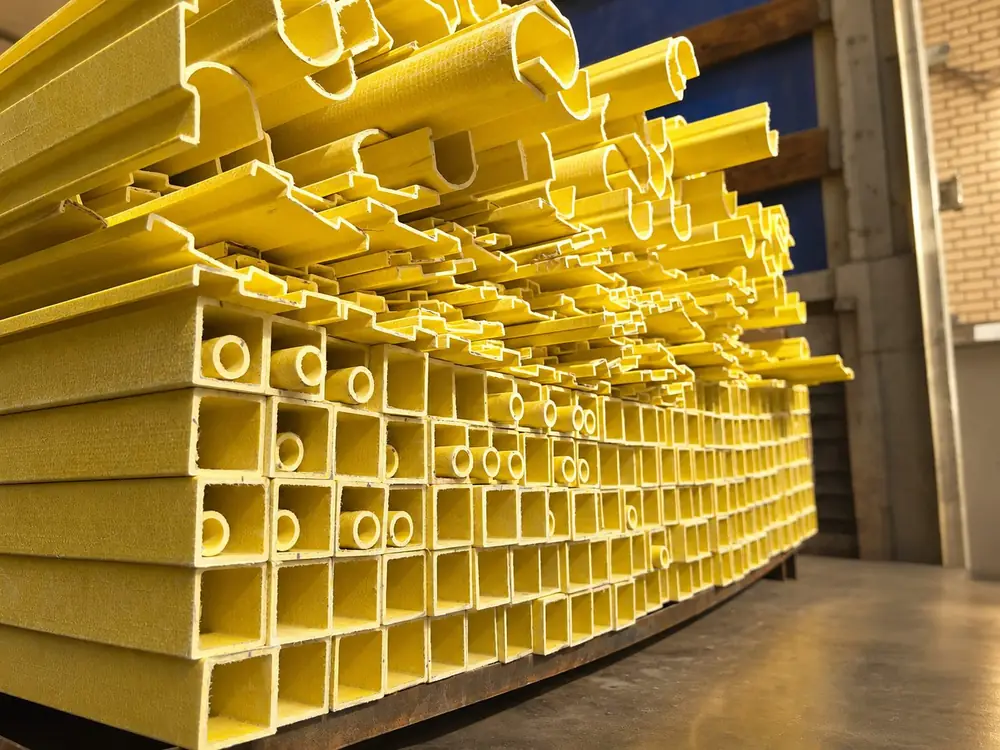
Composite manufacturing methods are very diverse: manual methods such as hand lay-up and spray-up, and machine methods such as pultrusion, filament winding, compression molding and resin transfer molding (RTM), in which resin is injected under pressure into dry fibers in a closed mold. For polymer matrix composites, the choice between these methods depends on the geometry, production volume and required properties. The manufacturing method determines the fiber content, surface quality and price of the composite part. Read a full description of all methods in composite manufacturing methods.
Common abbreviations in the composites industry
In the composites industry, material names follow a simple rule: the first letter shows the fiber type and the second-to-last letter shows the resin type. The table below explains the most common abbreviations:
| Abbreviation | Full term | Meaning and use |
|---|---|---|
| FRP | Fiber Reinforced Polymer/Plastic | Fiber reinforced polymer or plastic — the general name for all polymer-matrix composite materials. |
| PMC | Polymer Matrix Composite | Polymer matrix composite — in practice the same as FRP, but less common in industry. |
| GRP / GFRP | Glass (fiber) Reinforced Polymer | Glass reinforced plastic — a composite with glass fibers; a subset of FRP and the most common type of industrial composite. |
| GRV / GFRV | Glass (fiber) Reinforced Vinyl ester | Glass fiber with vinyl ester resin — mostly for filament-wound pipes in corrosive environments; vinyl ester resin has higher chemical resistance than polyester. |
| GRE / GFRE | Glass (fiber) Reinforced Epoxy | Glass fiber with epoxy resin — oil and gas pressure pipes. |
| CRP / CFRP | Carbon (fiber) Reinforced Polymer | Carbon fiber composite — aerospace, automotive and structural strengthening. |
| ARP / AFRP | Aramid (fiber) Reinforced Polymer | Aramid fiber composite — armor, helmets and impact-resistant parts. |
If the abbreviation has no V (vinyl ester) or E (epoxy), polyester resin (P) is usually assumed, because most industrial composite parts are made with polyester resin. The matrix below shows how fiber and resin combine in the naming:
| Resin ↓ / Fiber → | Glass (G) | Carbon (C) | Aramid (A) |
|---|---|---|---|
| Polyester (P) | GRP / GFRP | CRP / CFRP | ARP / AFRP |
| Vinyl ester (V) | GRV / GFRV | CRV / CFRV | ARV / AFRV |
| Epoxy (E) | GRE / GFRE | CRE / CFRE | ARE / AFRE |
Advantages and limitations of composites
To fully answer "what is a composite and why use it?", the advantages and limitations of composites must be seen side by side. Composite materials are not the best option for every application, but in corrosive environments, electrical applications and lightweight structures they have a clear advantage.
| Advantages of composites | Limitations of composites |
|---|---|
| High strength-to-weight ratio; specific strength several times that of steel | Lower elastic modulus than steel; deflection governs structural design |
| Complete resistance to corrosion and rust | Properties sensitive to temperatures near the resin's glass transition temperature |
| Electrically and thermally insulating; non-conductive | Brittle behavior to failure, with no distinct yield |
| Transparent to radio waves (radar and telecom) | Thermoset composites are harder to recycle than metals |
| Properties can be designed in any desired direction (controlled anisotropy) | Requires specialist knowledge for design and connections |
| Complex, one-piece parts can be produced, reducing part count | Higher price of carbon and aramid fibers |
Many of the limitations of composites can be overcome by good design; for example, sections with a larger moment of inertia make up for lower stiffness, and choosing the right resin (isophthalic polyester, vinyl ester or epoxy) improves heat and chemical resistance. New research also focuses on recyclable resins and thermoplastic composites to make recycling easier.
The future of composites
Composites have transformed most of the world's industries, and the trend continues. The fourth generation of composites — hybrid composites (combining two or more fiber types, such as glass and carbon, in one part) and nanocomposites (adding nanoparticles and carbon nanotubes to the resin) — has created new mechanical, thermal and electrical properties. Alongside these, bio-composites with natural fibers and bio-based resins, and automated production technologies such as automated fiber placement (AFP) and composite 3D printing, are pushing the boundaries of composite applications. In building and infrastructure, composites have established themselves as GFRP rebar, lightweight bridges and CFRP structural strengthening.
Composite products in everyday life and industry
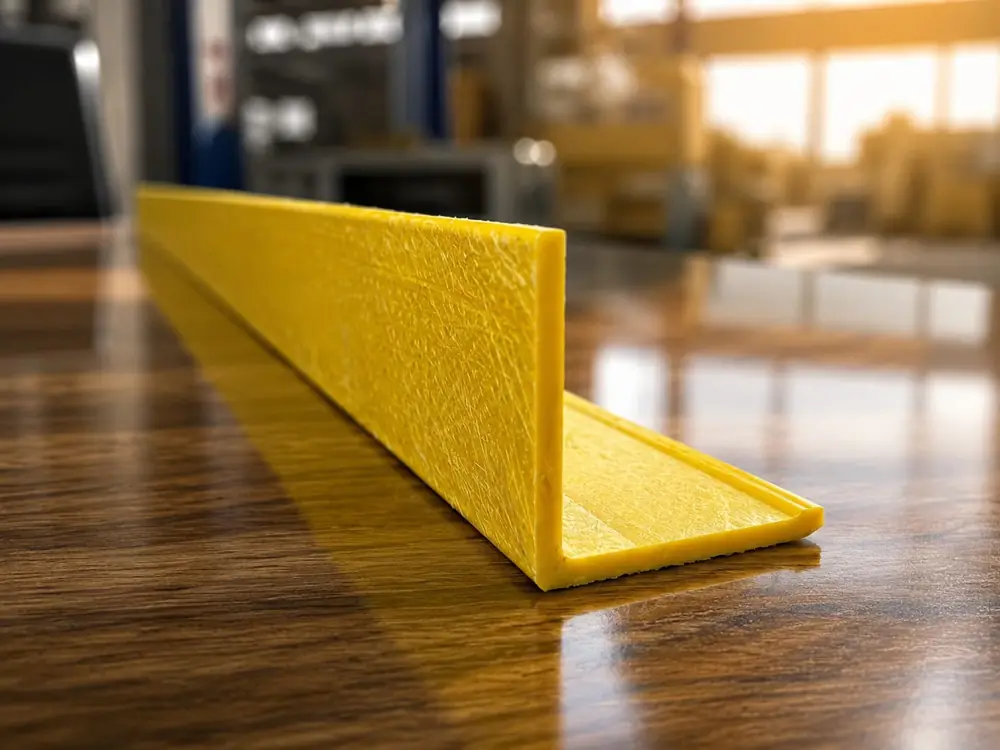
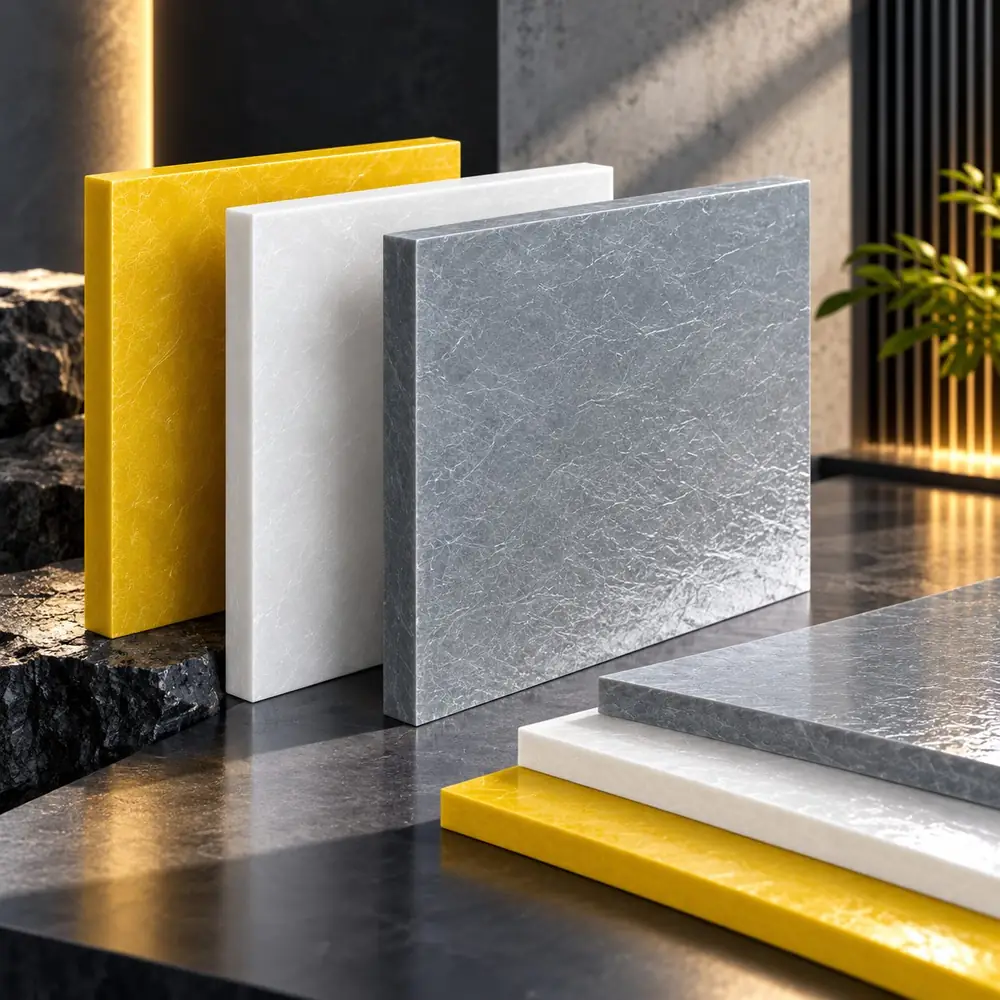
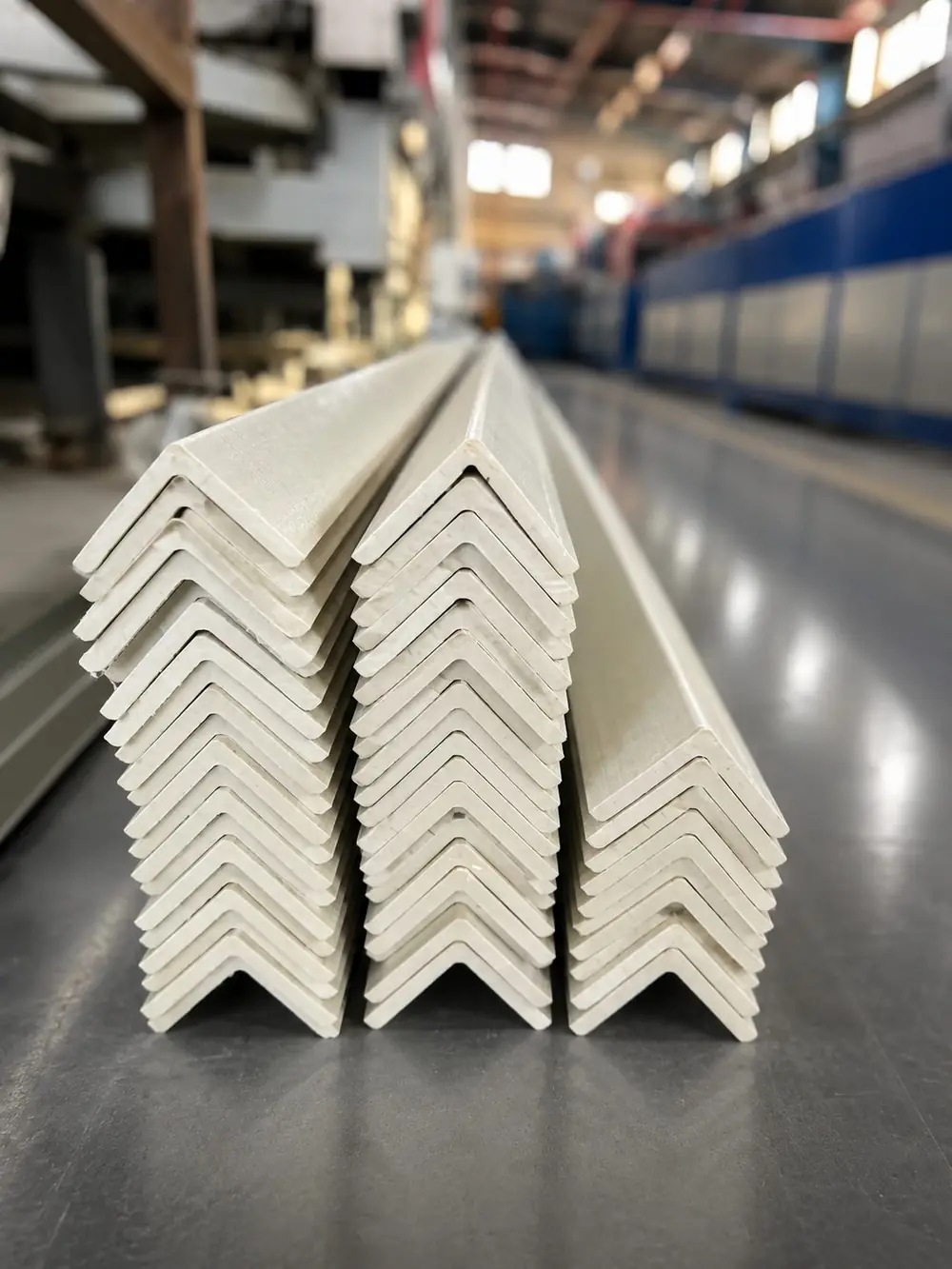
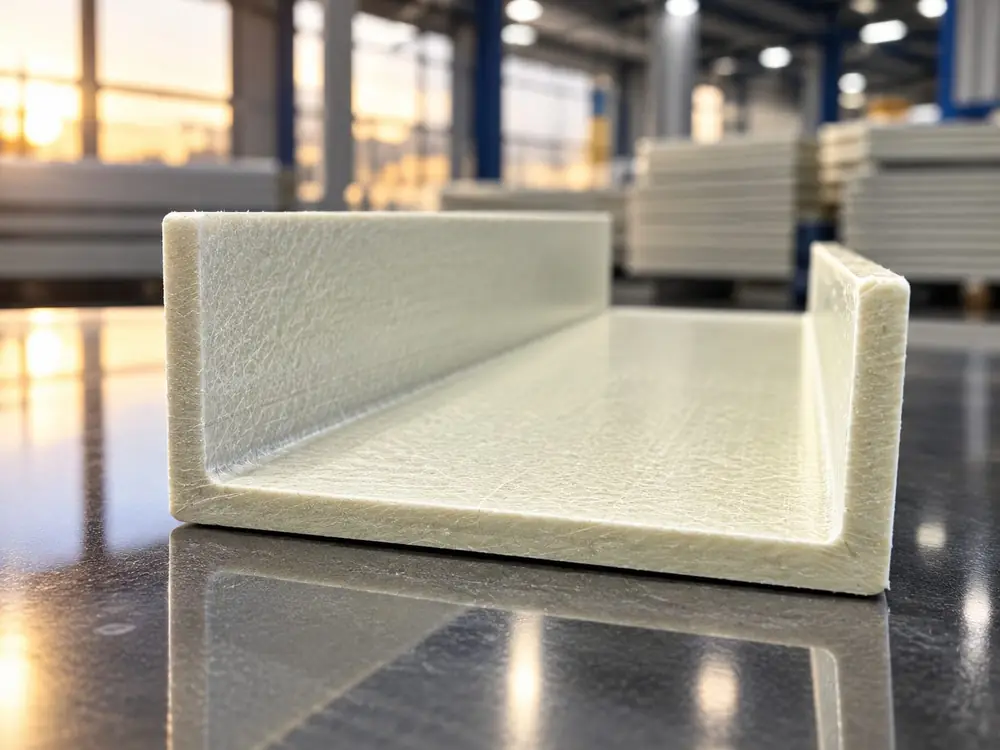
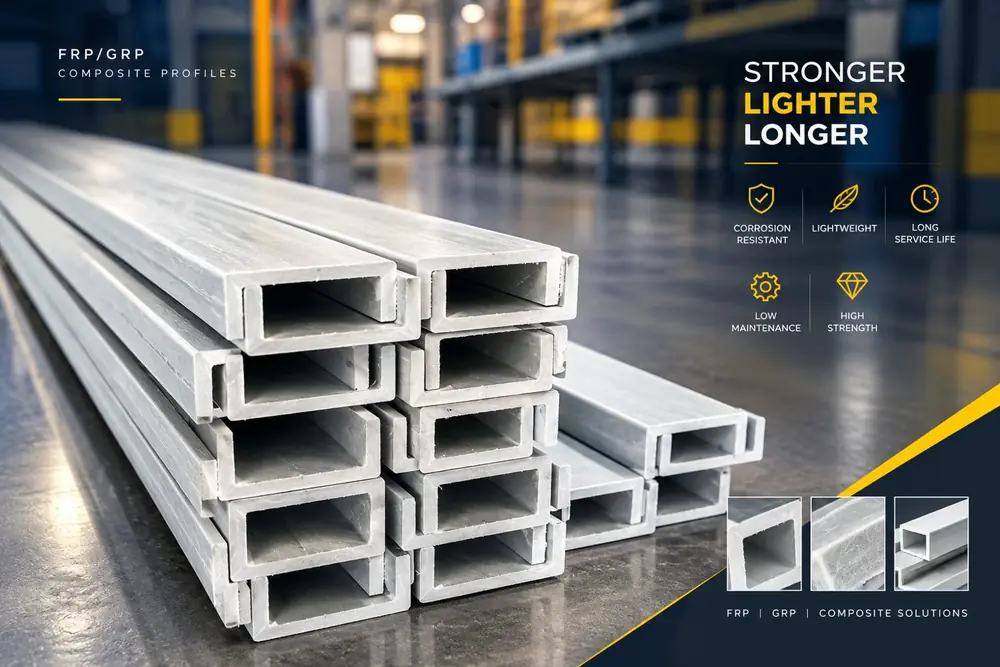
Today composite materials are all around us: from pultruded profiles and composite grating in refineries and treatment plants to fiberglass roof sheets on industrial buildings, composite pipes and tanks, insulated electrical ladders, power line marker balls, boat hulls, wind turbine blades and car parts.

Nabak Composite — a manufacturer of composite products
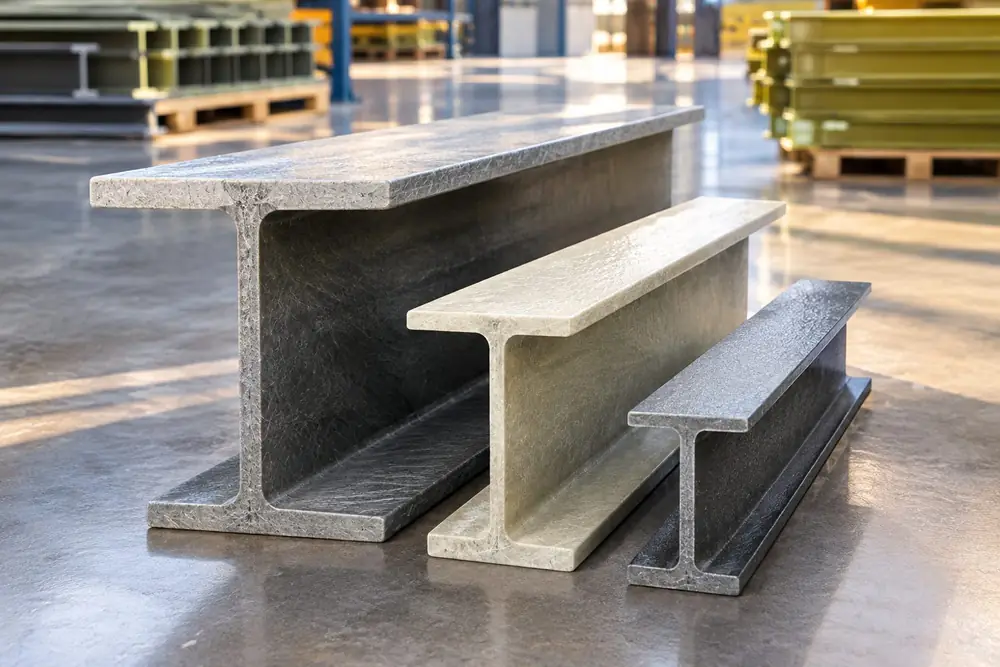
Drawing on engineering knowledge of composite and polymer composite materials and on pultrusion and molding lines, Nabak Composite produces a full range of FRP composite products. For the properties and prices of our products — including fiberglass sheet, composite grating, composite box sections, fiberglass angles, composite channels, composite beams, fiberglass tubes, composite flat bars, polymer rods, composite rods, and cable trays and ladders — contact our team. Nabak composite beams and polymer rods are widely used in corrosion-resistant structures, and composite rods in stone stitching and agriculture.
Frequently asked questions about composites
What is a composite?
A composite is a material made of two or more constituents with different physical and chemical properties; the constituents remain distinguishable in the final structure and their combination produces properties that none of them has alone. The most common type is fiber reinforced polymer (FRP), made from glass fiber and resin.
What is the difference between a composite and an alloy?
In an alloy, the elements dissolve into one another at the atomic scale and form a homogeneous or multi-phase metallurgical structure, whereas in a composite the constituents (such as fibers and resin) remain separate and distinguishable at the macroscopic scale, each with a specific role.
What is the difference between FRP, GRP and GFRP?
FRP is the general name for all fiber reinforced polymers. GRP and GFRP refer to composites whose fibers are glass, and they are a subset of FRP. CFRP is a carbon fiber composite and AFRP an aramid fiber composite.
What are the types of composite by matrix material?
By matrix material, composites fall into three groups: polymer matrix composites (PMC), which make up most of the market, metal matrix composites (MMC) and ceramic matrix composites (CMC).
Is fiberglass the same as composite?
Fiberglass is really the name of the glass fiber, but the word is also used for glass fiber reinforced composites (GRP). Fiberglass is only one type of composite and does not include carbon, aramid, metal-matrix or ceramic-matrix composites.
Summary
To answer the question "what is a composite": a composite is made by combining a structural part (reinforcing fibers) and a matrix part (resin) and has properties beyond those of either constituent. The history of composites began with straw-mud bricks and the composite bow and became a global industry with glass fiber, polyester resin, carbon fiber and Kevlar. Composites are classified by matrix material (polymer, metal, ceramic), fiber type (glass, carbon, aramid), reinforcement form (fibrous, particulate, laminated, sandwich) and manufacturing method, and abbreviations such as FRP, GRP, GFRP, GRE and CFRP indicate the fiber and resin combination. Understanding these basics and classifications is the first step to choosing the right composite products.

This article was prepared by the technical team of Nabak Composite, a manufacturer of FRP composite products.