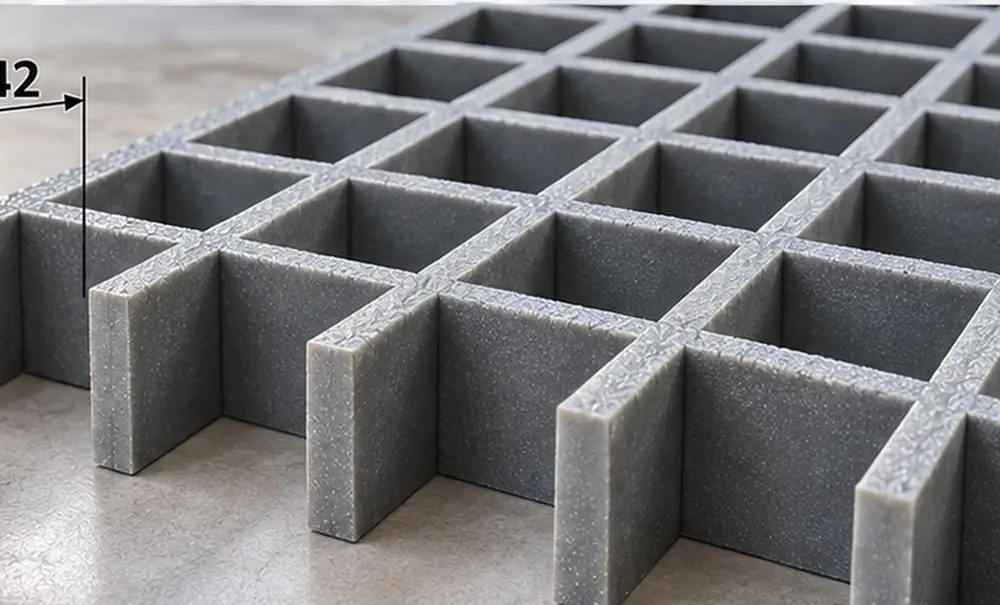
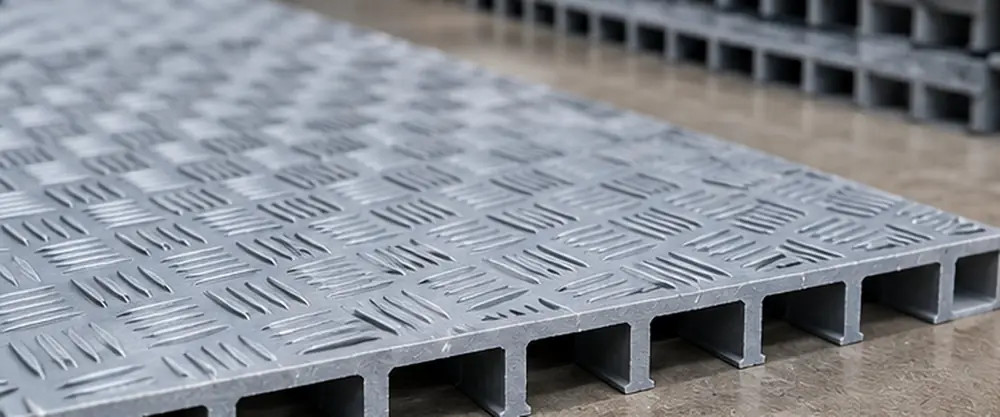
Why does grating color matter?
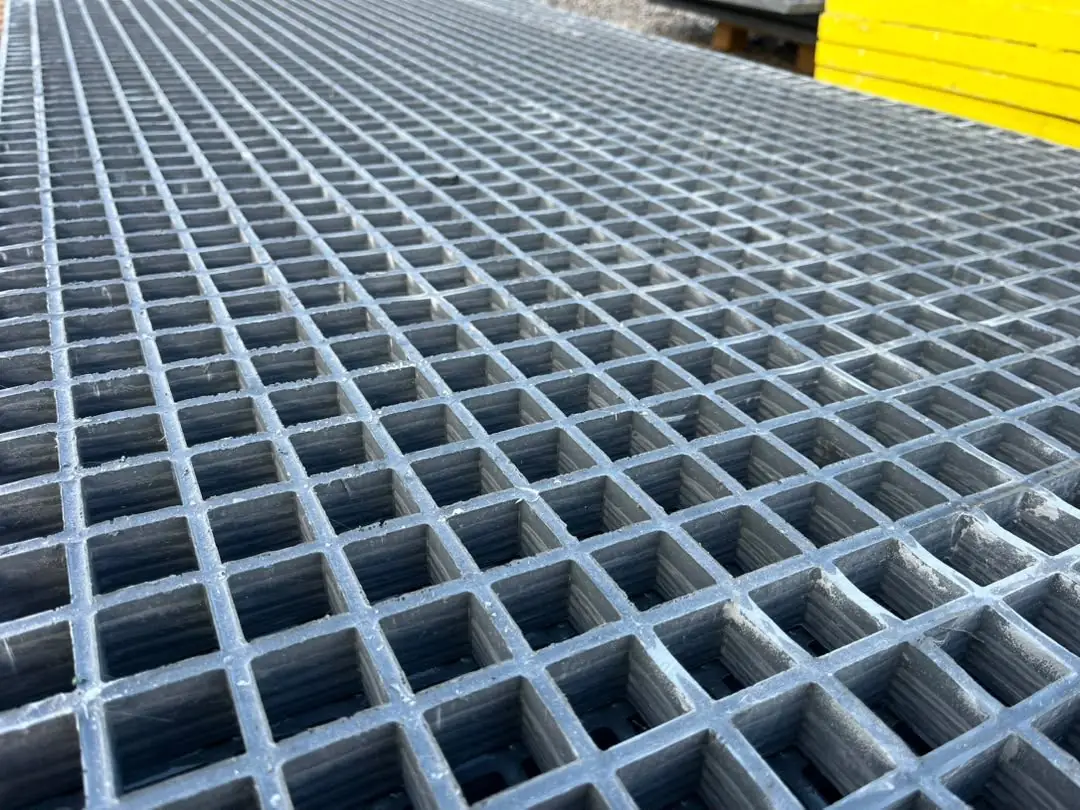
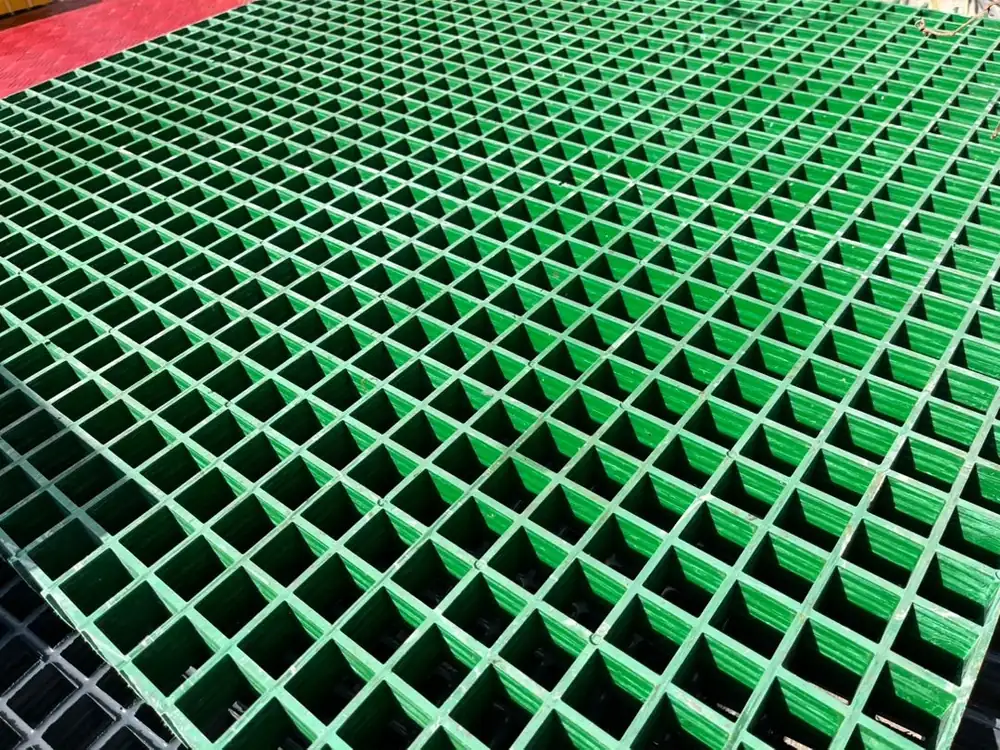
One of the most common questions from buyers of fiberglass grating is: "Which grating color is best for my project?" Unlike steel grating, which is usually galvanized and gray, FRP grating can be produced in almost any color. This freedom is an opportunity to use grating color as an engineering tool: for safety warnings on stairs and platform edges, to separate routes and work areas, to blend with the surroundings in urban and architectural spaces, and even to control surface temperature outdoors.
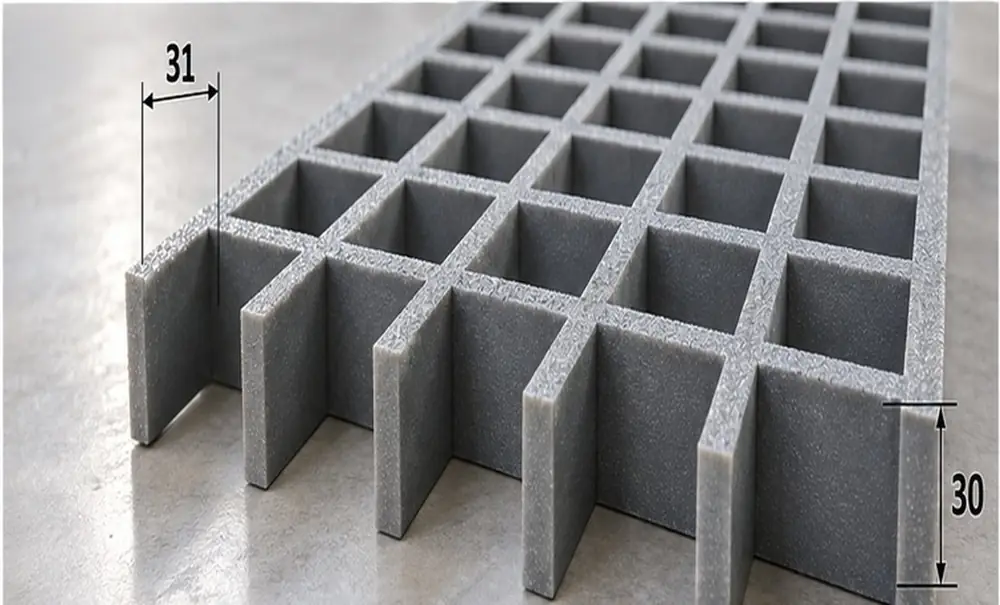
In composite grating, color is not a surface coating; the pigment is mixed with the resin during production. So the grating color is chosen before ordering, and once produced, the color stays with the product for its entire life. This guide applies to molded grating, pultruded grating and covered grating (composite checker plate). To choose the right thickness and span, read the article composite grating load capacity table.
Common composite grating colors and RAL codes
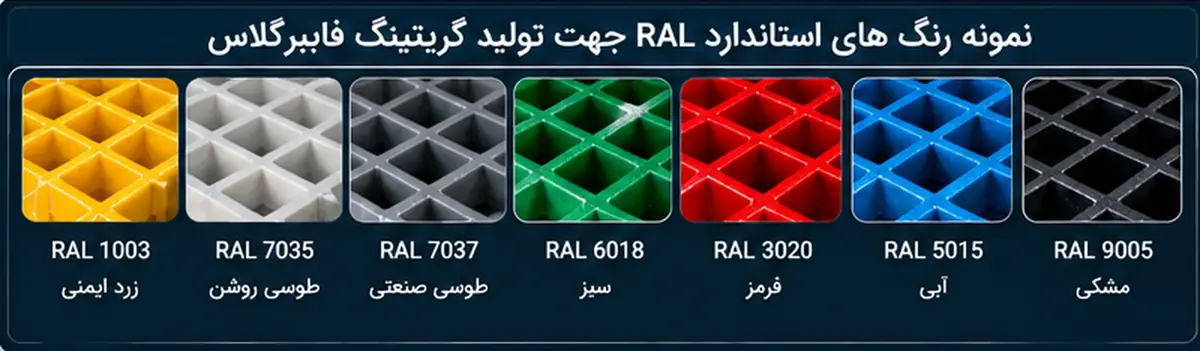
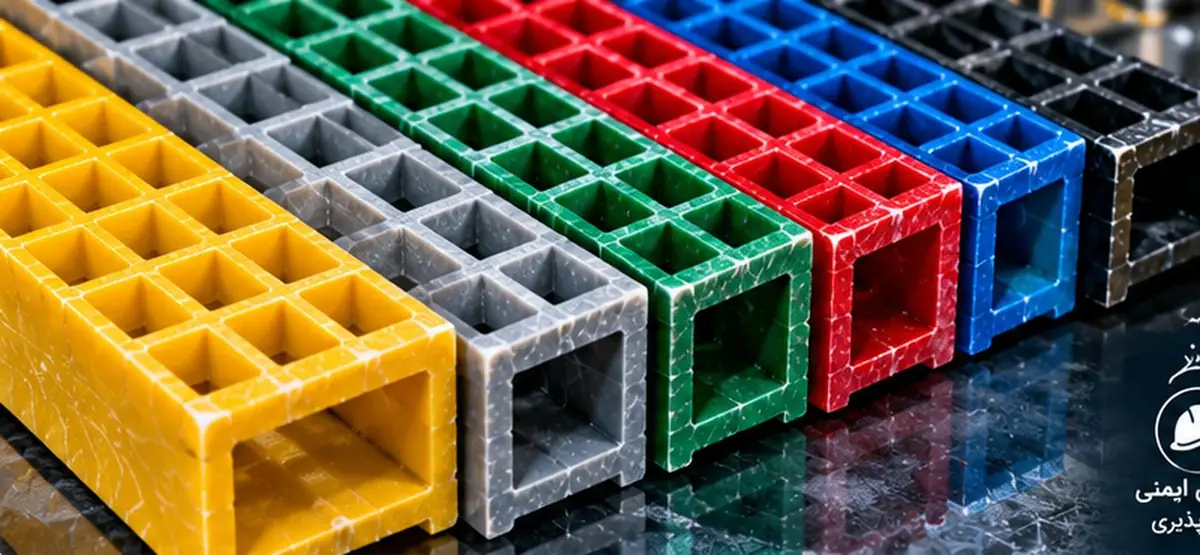
Composite grating can be produced in any color from the standard RAL chart, but six color families are the most used: gray, yellow, green, red, blue and black. The RAL code is the common language of client, designer and manufacturer; quoting it in the order ensures the grating is produced in exactly the expected color.
| Grating color | Common RAL code | Typical use | Visual message |
|---|---|---|---|
| Safety yellow | RAL 1003 | Steps, stairs, platforms, edges and walkways | Warning and attention |
| Light gray | RAL 7035 | Factories, walkways, facades and interiors | Neutral and clean |
| Industrial gray | RAL 7037 | Trench covers, hatches and concrete environments | Blends with concrete |
| Green | RAL 6018 | Tree grates, green spaces, walkways and car washes | Blends with nature; safe route |
| Red | RAL 3020 | Fire equipment, prohibited and danger areas | Stop and danger |
| Blue | RAL 5015 | Treatment plants, swimming pools, car washes and water facilities | Water and utilities |
| Black | RAL 9005 | Indoor spaces and architectural design | Modern and understated |
The right grating color by application
Below we present the most common grating color for each application, from composite step and stair grating to industrial walkways, trench covers, tree grates, car washes and roof cladding grating. Note that different applications within one project can have different colors:
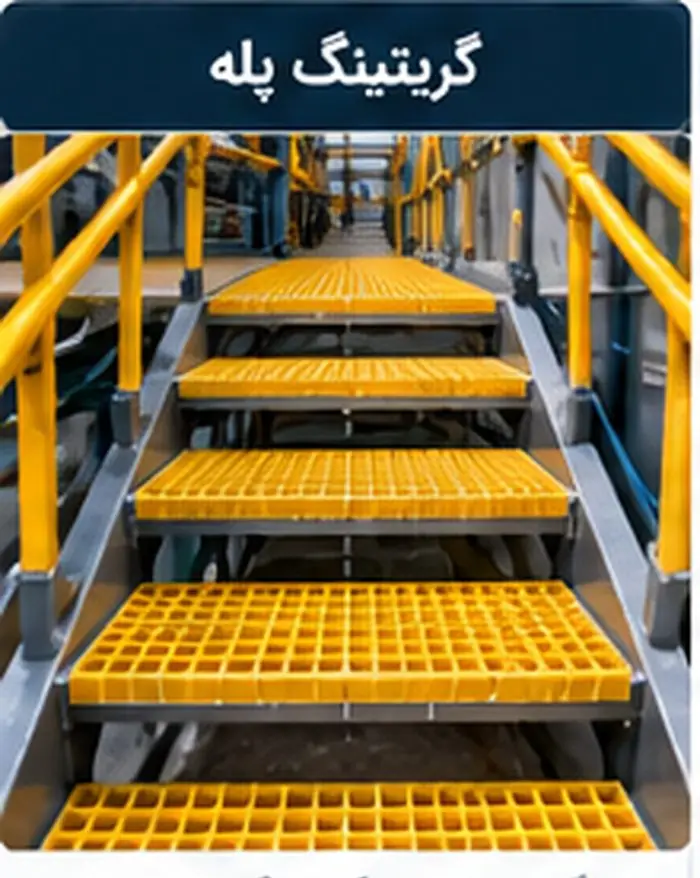
Stair treads
Yellow is very common for stair tread grating; the edge of each step is clearly visible in low light, reducing the risk of slips and falls. Gray can also be used in industrial plants, provided the step edges are marked with a yellow strip.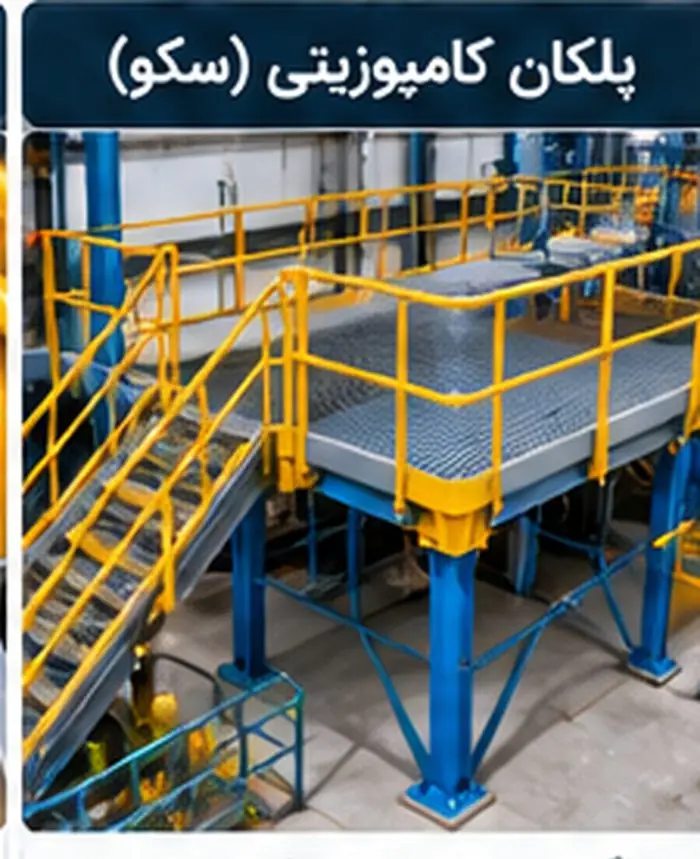
Composite stairs and platforms
Bright yellow is recommended for composite stairs and platforms because it promotes alertness and attracts attention. Gray is used for platforms in industrial plant environments, and blue for treatment plants and swimming pools.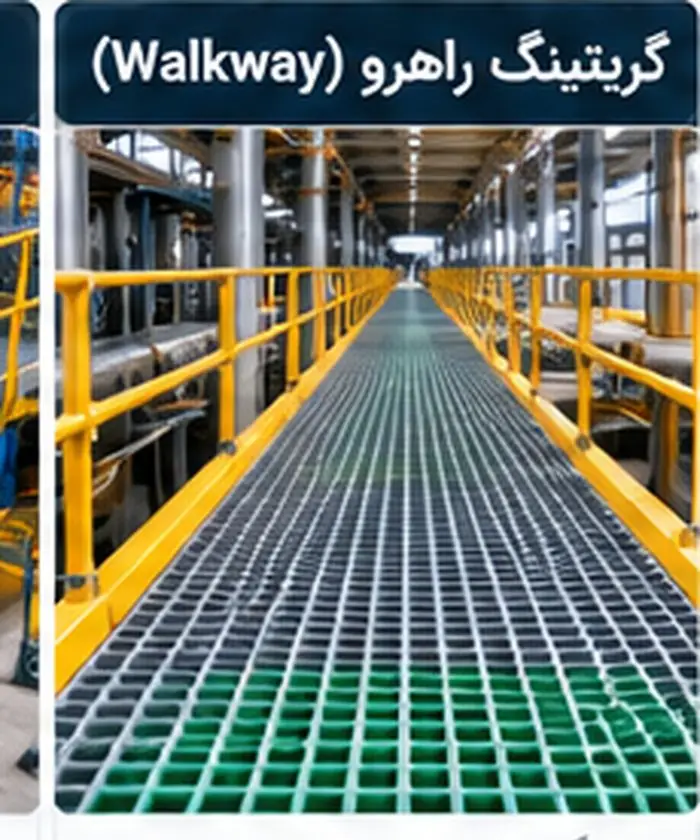
Walkway grating
For walkway grating, yellow, gray and green are the most used colors, in that order. Combining colors — for example a gray body with a yellow border, or a green walking route — makes it easy to separate pedestrian routes from equipment areas.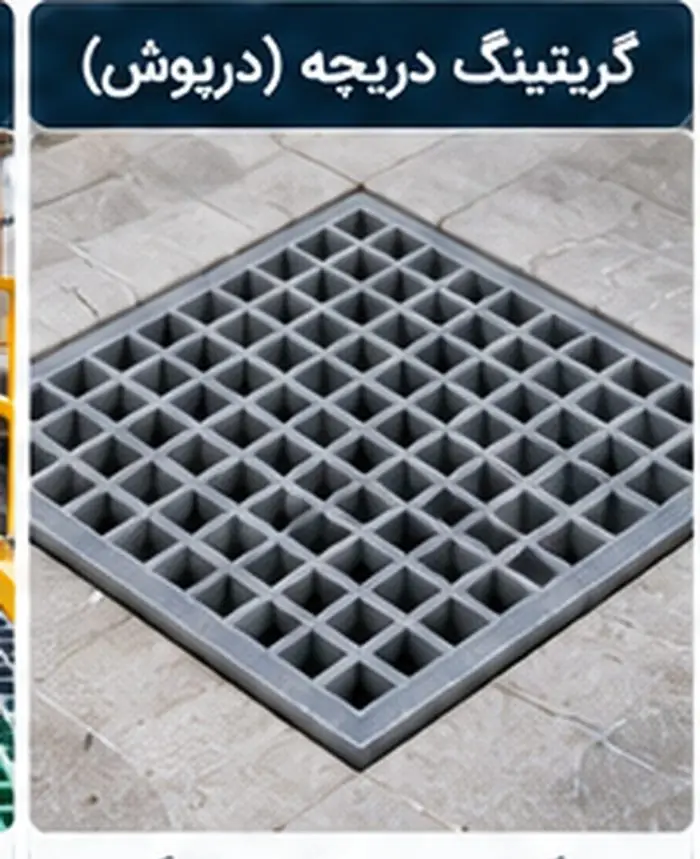
Hatch grating (composite covers)
Because it blends with the surrounding concrete and paving, gray is the main recommendation for composite hatches and covers for trenches and manholes. In high-traffic locations, a yellow border can mark the presence of the hatch.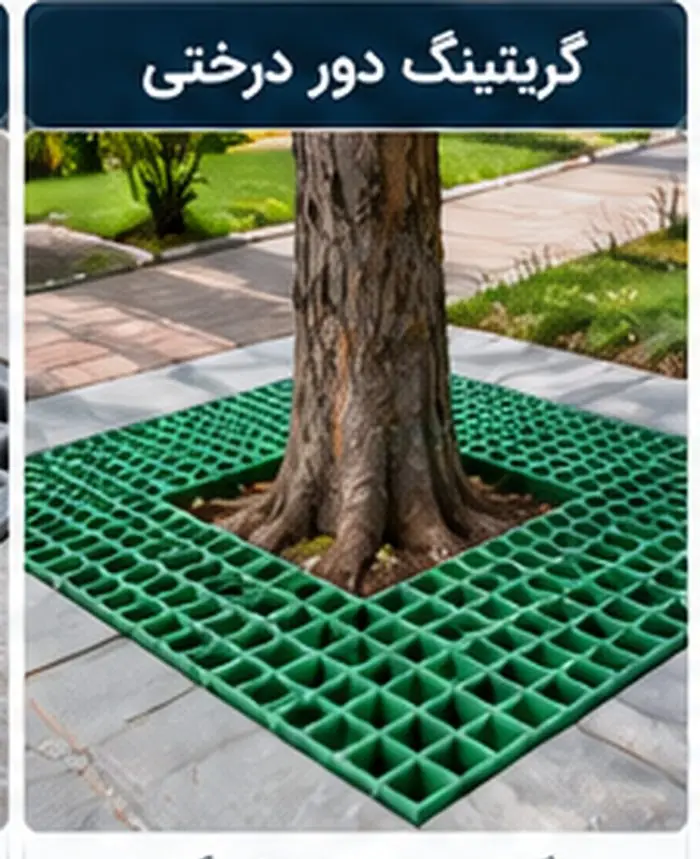
Tree grate
Because it blends with grass and green spaces, green is the first recommendation for tree grates on sidewalks and in parks; yellow is also suitable for this use and makes the obstacle more visible to pedestrians.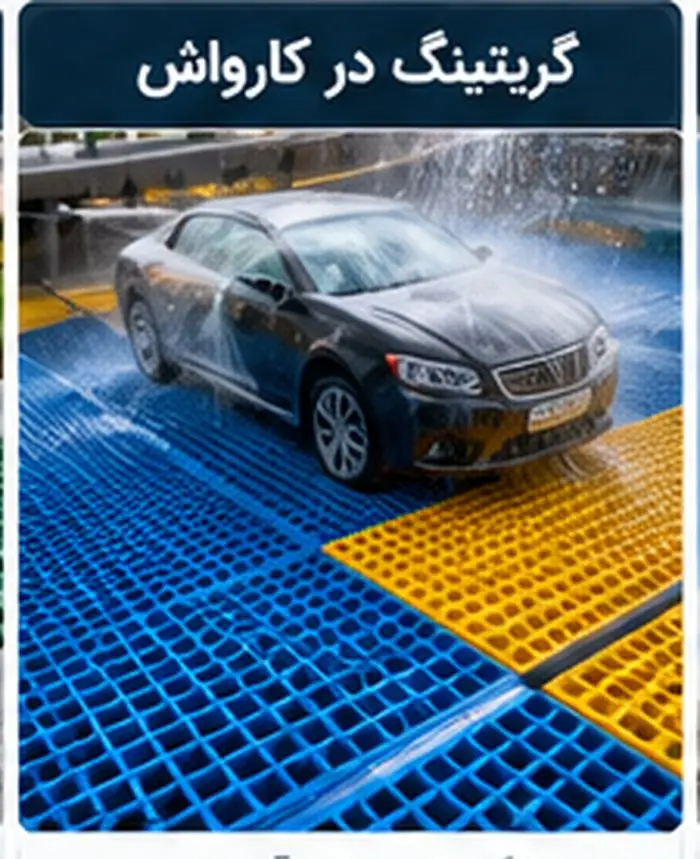
Car wash grating
Yellow, green and blue are recommended for car wash grating. Blue suggests water and cleanliness, and yellow is used to mark the vehicle entry route and standing area. The resistance of FRP grating to detergents is its main advantage in car washes.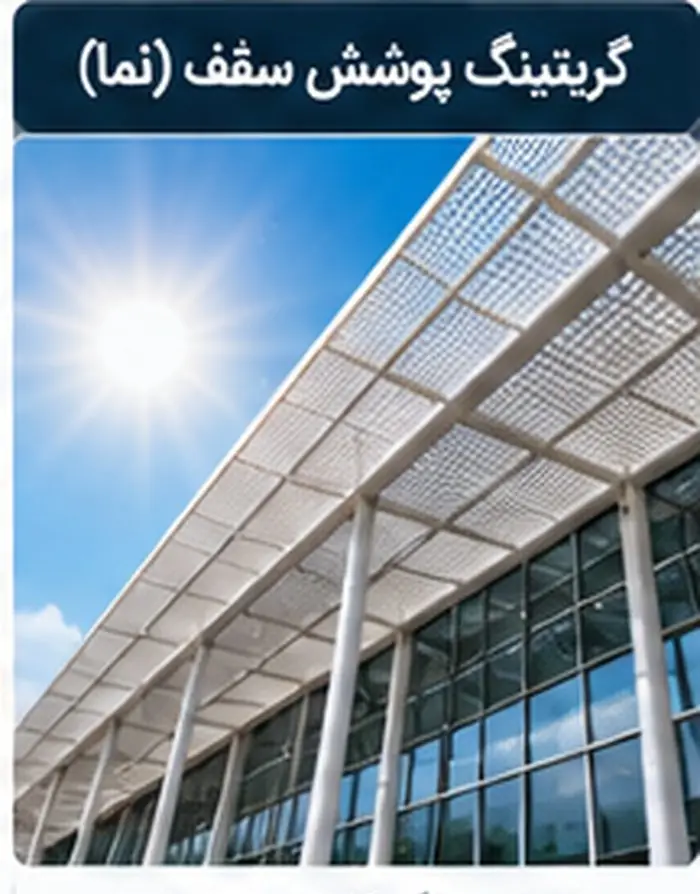
Roof cladding grating (facade grating)
The color of facade and false-ceiling grating is entirely a matter of taste, and any RAL color can be used to suit the architectural design. On sunny facades, light colors reduce surface temperature.Comprehensive FRP grating color selection table
The table below summarizes the recommended grating color for each application, with alternative colors and the engineering reason for the choice. For applications such as composite stairs, walkways, roof cladding grating and hatches, it is a good starting point for decisions:
| Grating application | First recommended color | Alternative colors | Engineering reason |
|---|---|---|---|
| Stair treads | Yellow | Gray (with yellow edge) | Visibility of step edges and safety warning |
| Composite stairs and platforms | Bright yellow | Gray, blue | Staff alertness at height |
| Walkway | Yellow | Gray, green | Separating walking routes |
| Composite hatches and covers | Grey | Gray with yellow border | Blends with concrete and paving |
| Tree grates | Green | Yellow | Blends with green spaces |
| Car wash | Blue | Yellow, green | Visual identity and wayfinding |
| Roof cladding and facade grating | To taste | Any RAL color | Architectural design |
| Treatment plants and swimming pools | Blue | Grey | Blends with water facilities |
| Fire equipment areas | Red | — | Safety color code for danger and fire |
Engineering considerations in choosing grating color
1. Color and safety
The grating color in each application should follow safety logic. In safety sign standards (such as ISO 3864), yellow means caution and warning, red means danger and fire equipment, green means safety and safe routes, and blue means mandatory action. Applying this logic to grating color makes the workplace easier to read without extra signs. For example, yellow stair grating on a gray structure marks the edge of each step even in low light or dust.
2. Color and surface temperature in sunlight
Dark colors absorb more solar radiation. In summer sun, the surface temperature of black grating can be tens of degrees higher than light gray or yellow grating. This matters for two reasons: comfort and contact safety (a hot surface for barefoot pedestrians, for example at a swimming pool) and mechanical properties, because as temperature approaches the resin's service range, grating stiffness falls (the FRP composite profile datasheet shows the effect of temperature on properties). So outdoors in hot regions, lighter colors are the better engineering choice.
3. Color stability under ultraviolet light
Not all pigments behave the same under UV. Neutral colors such as gray and black usually show the least change in appearance over the years, while saturated colors such as red and yellow may fade slightly over time. Nabak gratings are produced with a UV-protective additive, and for outdoor applications a UV-resistant surface coating is also available.
4. Color and maintenance
The grating's application determines how much dirt settles on its surface.
Light colors show dirt, oil and stains more and need more regular washing in very dirty environments; industrial gray (RAL 7037) keeps a cleaner appearance for longer in such environments.
Color durability in composite grating
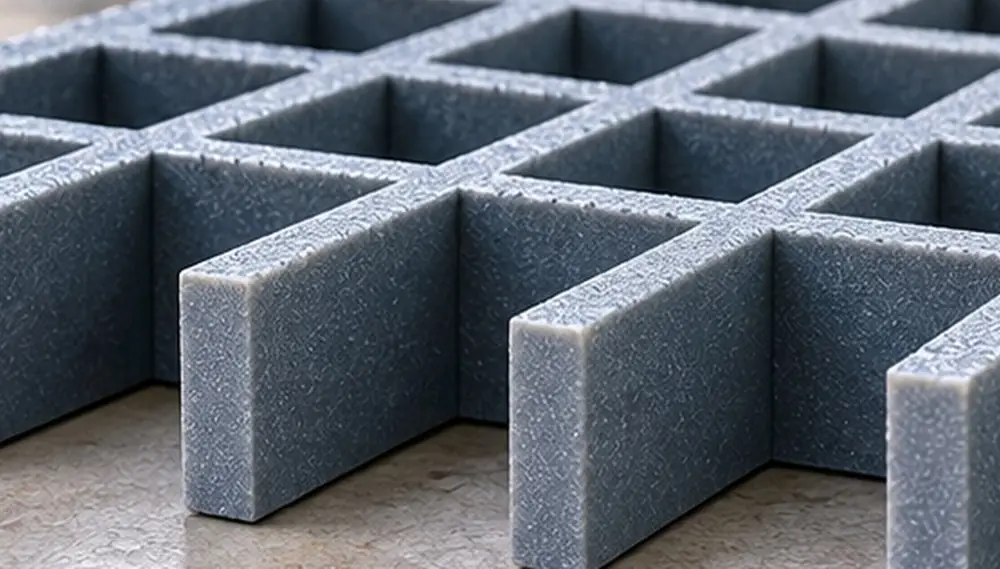
The required color is mixed with the resin as a pigment during production of plastic or polymer grating and is fully compatible with the raw materials. Because the color is added to the raw materials during production, every part of the grating, from core to surface, has the same color. This has three important advantages:
- No peeling: unlike painted steel grating, there is no paint layer to come off.
- Invisible scratches: surface wear from traffic and handling does not reveal a different color.
- On-site cutting: cut edges are the same color as the rest of the panel; they only need sealing with resin (see cutting composites).
Tips for ordering grating color
- State the required RAL code for each application in the order; names like "yellow" or "gray" alone may be interpreted differently.
- For large projects, order all panels from one production batch to avoid slight shade differences between batches.
- For unusual RAL colors, request a color sample before mass production.
- For combined designs (for example a gray body with yellow edges), send a color layout drawing with the order.
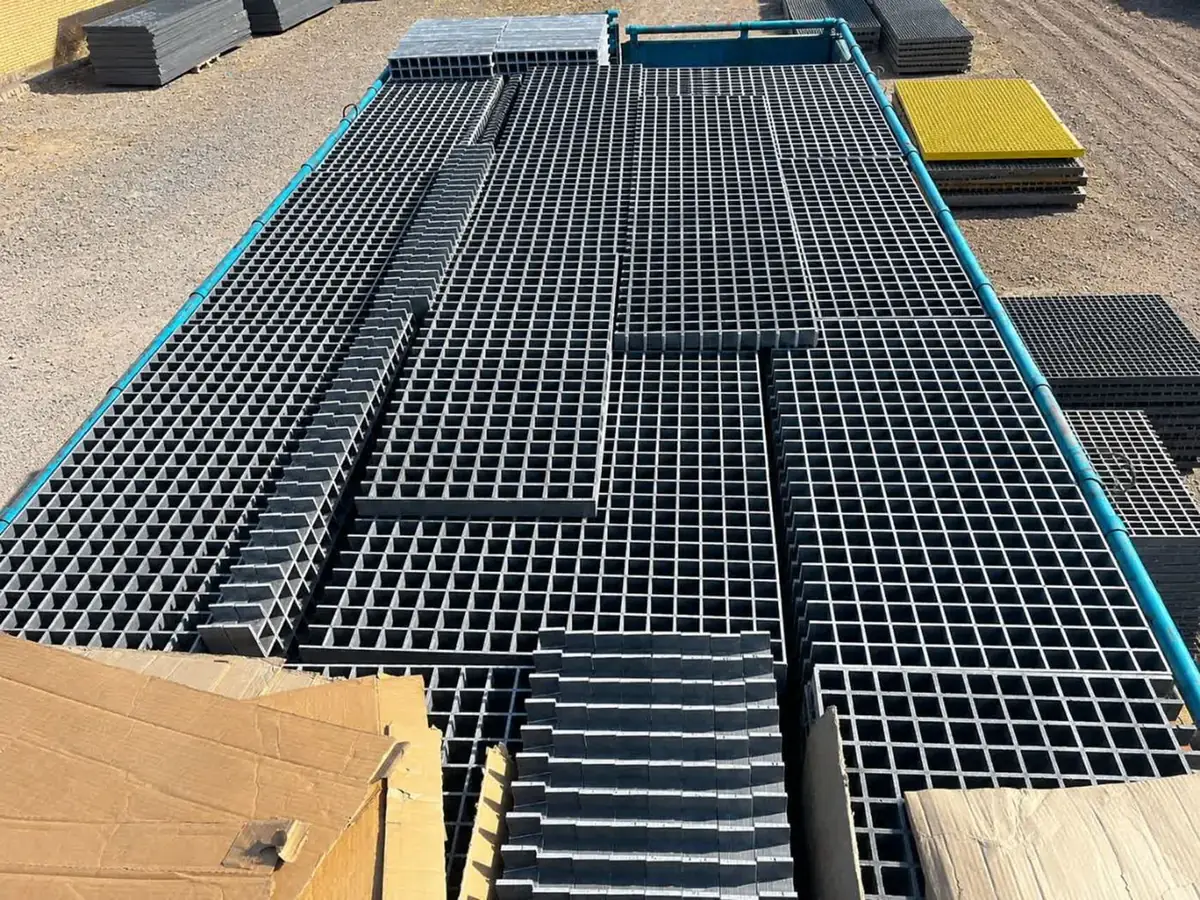
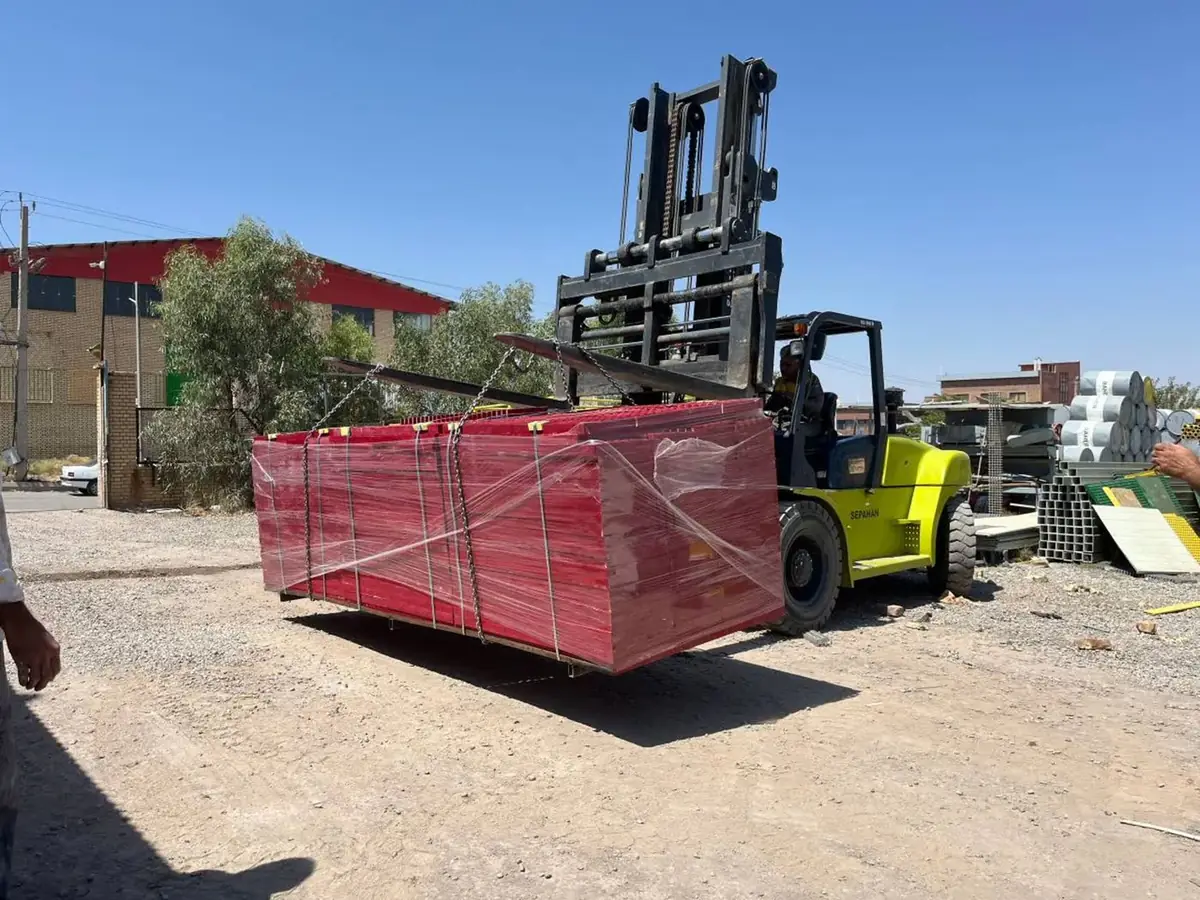
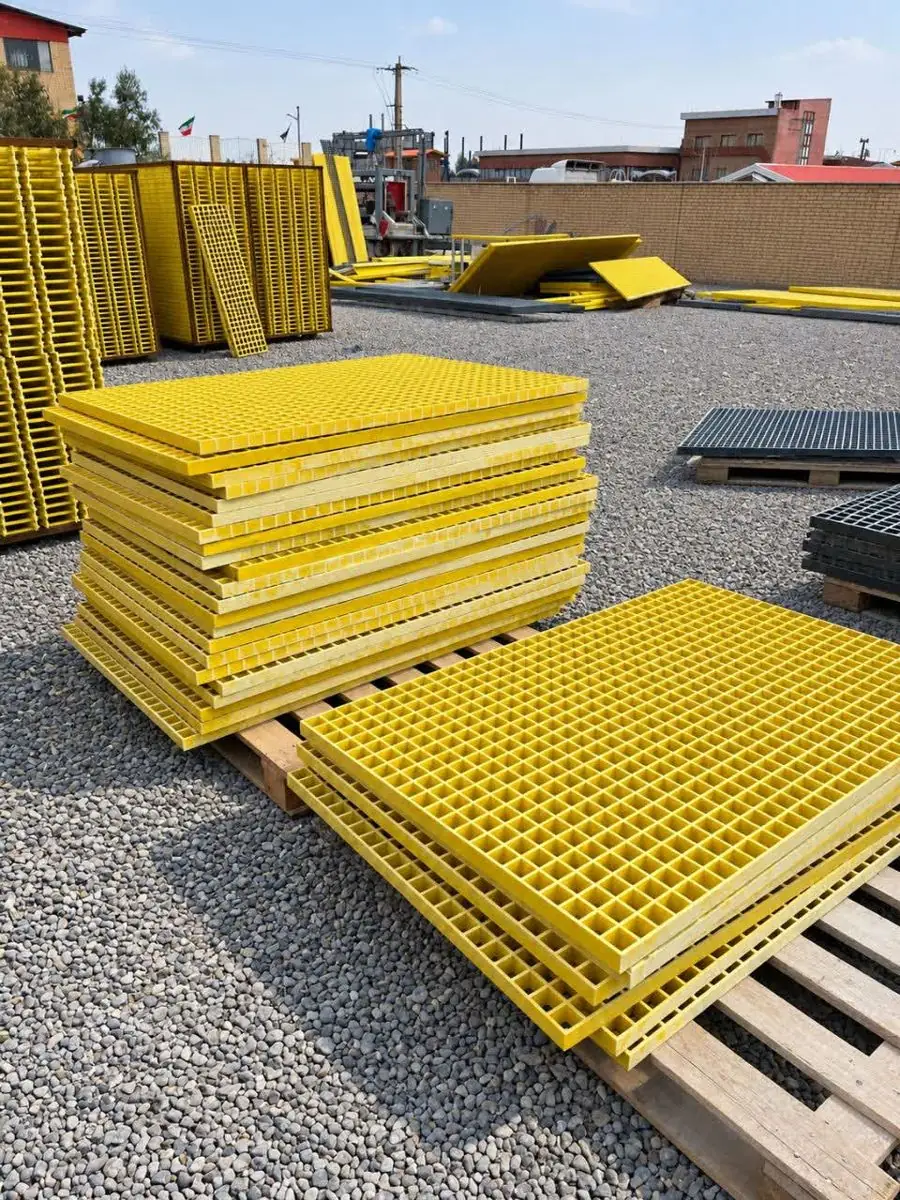
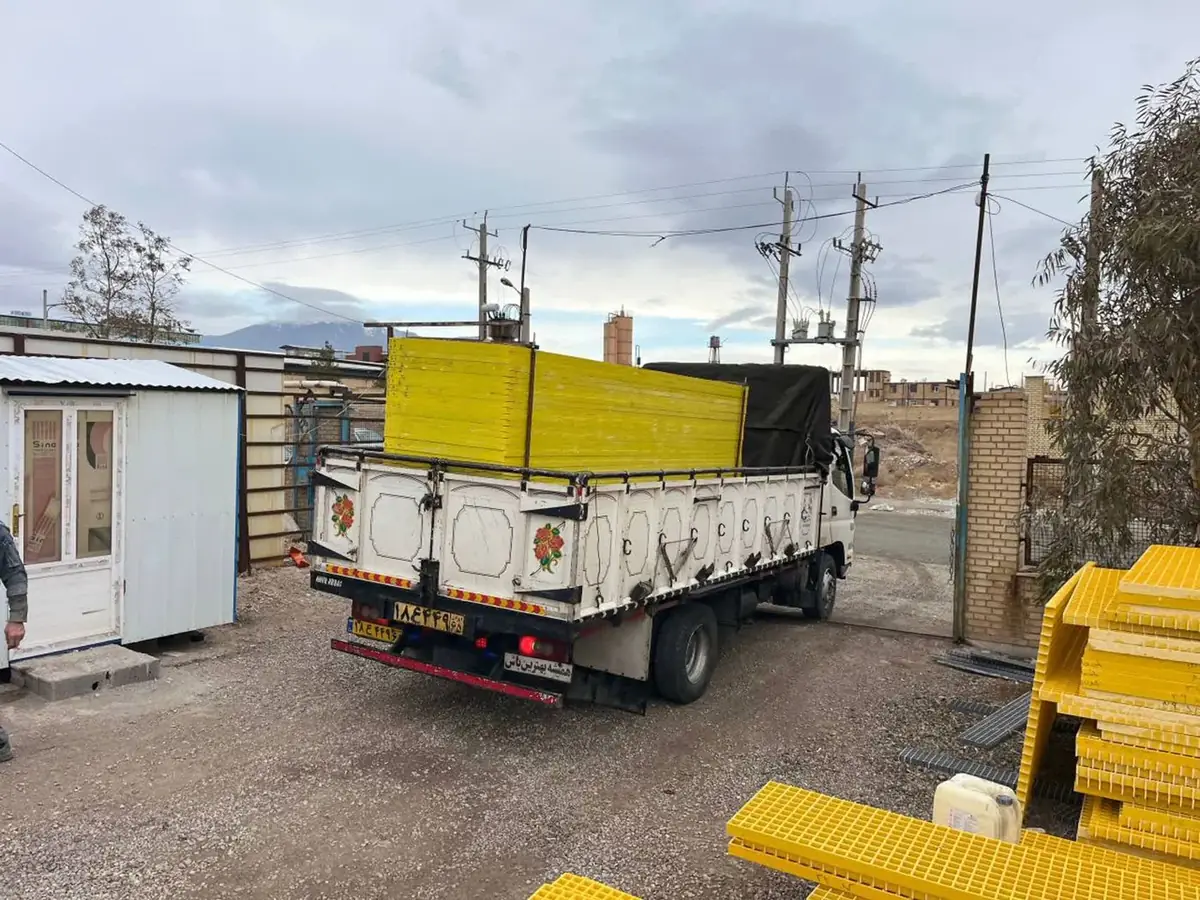
Nabak Composite colored grating
Nabak Composite produces molded and pultruded FRP grating in standard colors and any custom RAL color, and offers the right color solution for every application, from walkway and industrial walkway grating to roof cladding and facade grating. Based on the application, environmental conditions and safety requirements of the project, our team recommends the grating's color, thickness and surface type.
To learn about other products, including fiberglass sheet, composite box sections, fiberglass angles, composite channels, composite beams, fiberglass tubes, composite flat bars, polymer rods, composite wire and cable trays and ladders, contact the Nabak team.
Frequently asked questions about grating color
What is the most common FRP grating color?
Gray, yellow, green, blue, red and black are the most common fiberglass grating colors; yellow is most used for stairs and platforms because of its safety warning, and gray for industrial environments and trench covers.
Does composite grating color wear off over time?
No. FRP grating color is mixed with the resin as a pigment during production, and the grating is the same color through its full thickness from core to surface; scratching or wear does not reveal a different color underneath, and there is no peeling.
Can fiberglass grating be ordered in any RAL color?
Yes. Composite grating can be produced in any color from the standard RAL chart. Common colors include RAL 1003 yellow, RAL 7035 and 7037 gray, RAL 6018 green, RAL 3020 red, RAL 5015 blue and RAL 9005 black.
What color is suitable for stair grating?
Yellow is very common for stair and step grating, because it is a safety warning color and makes step edges visible. Gray is also used in industrial plants.
Does dark grating cause problems in the sun?
Dark colors such as black absorb more solar radiation and noticeably raise the grating's surface temperature in summer sun; outdoors and in hot regions, lighter colors are recommended to reduce surface temperature and preserve mechanical properties.
Summary
Choosing FRP grating color for each application combines safety, function, environmental conditions and design: yellow for composite steps, stairs and platforms; gray for industrial environments and composite covers; green for tree grates and walkways in green spaces; blue for car washes, treatment plants and swimming pools; red for danger areas; and free choice for facades. By quoting the RAL code in the order, considering the effect of color on surface temperature and UV stability, and benefiting from the through-thickness color of composite grating, you will have a safe, legible and durable product. For advice on choosing fiberglass grating color, contact the Nabak Composite team.

This article was prepared by the technical team of Nabak Composite, a manufacturer of colored FRP grating and composite products.