What is fiberglass sheet?
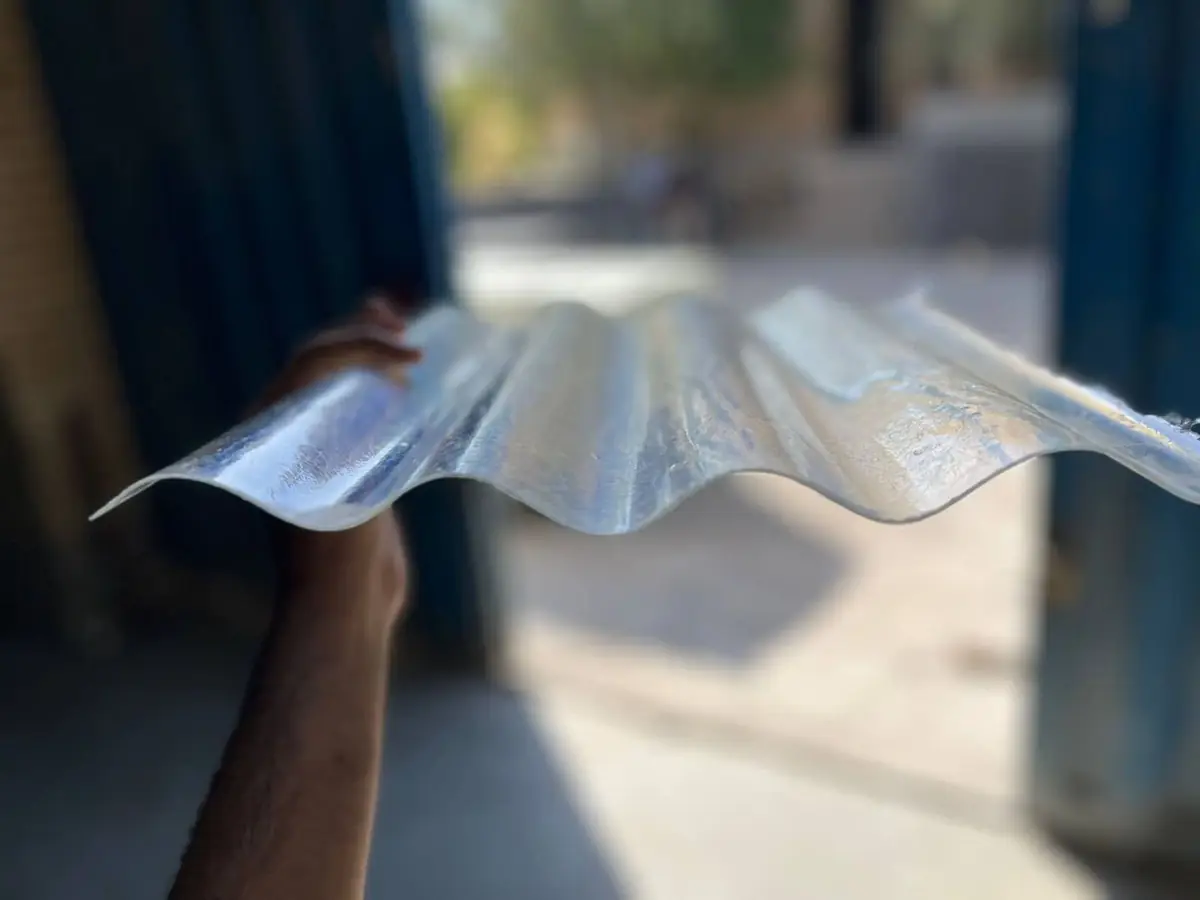
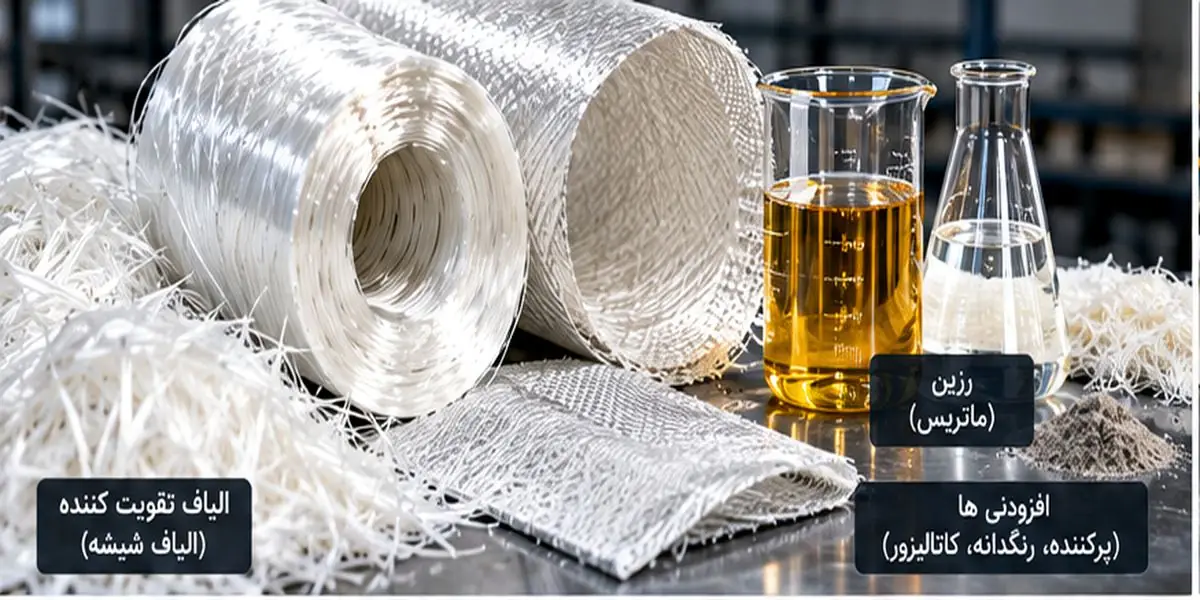
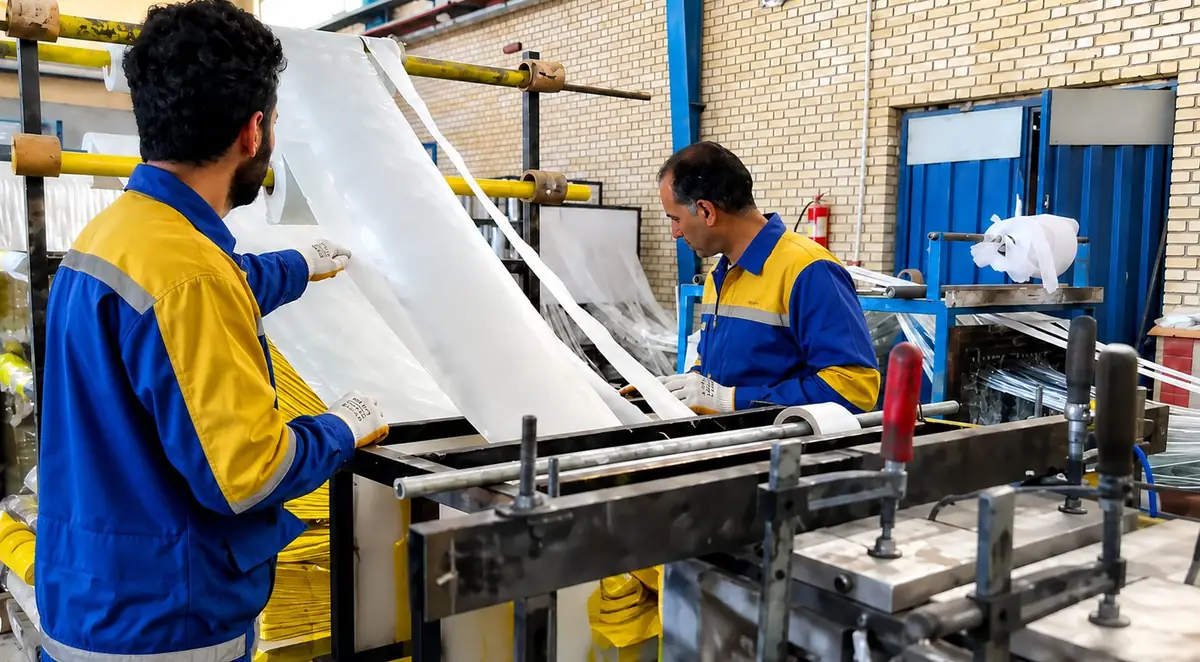
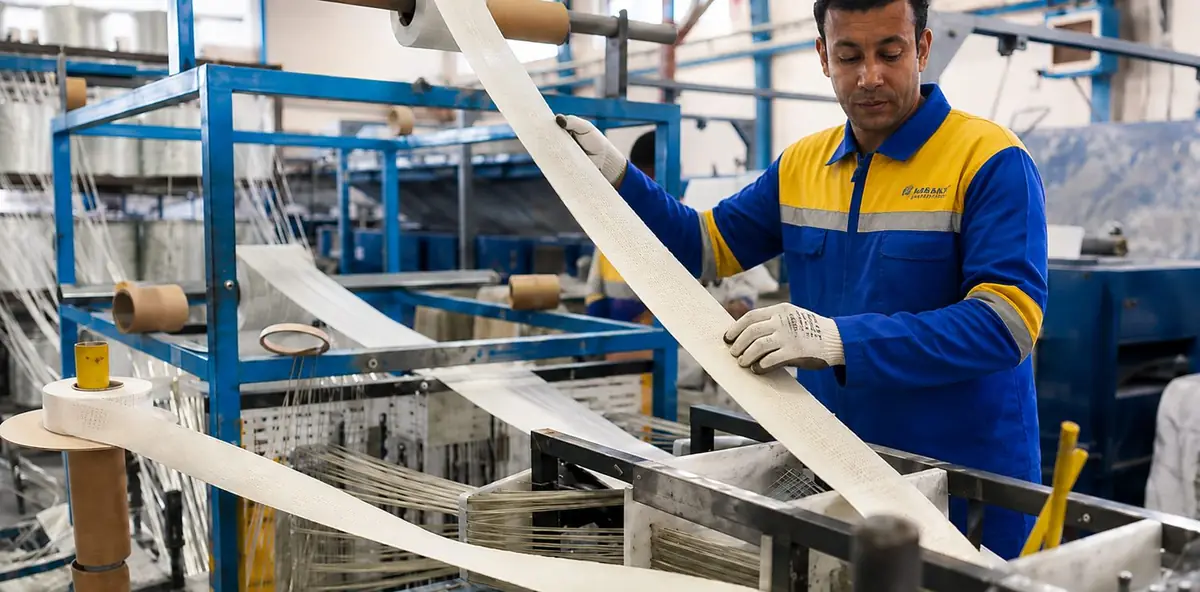
Fiberglass sheet belongs to the family of fiber-reinforced polymers (FRP; glass-fiber-reinforced polymer), or composites, and is made by combining glass fiber and polyester resin. In the structure of fiberglass sheet, the reinforcing fibers carry the load, while the resin surrounds the fibers, binds them together and protects them from the environment. Combining these two materials in standard proportions brings out the best properties of both — the strength of glass fiber and the chemical resistance and formability of the resin — in the final sheet.
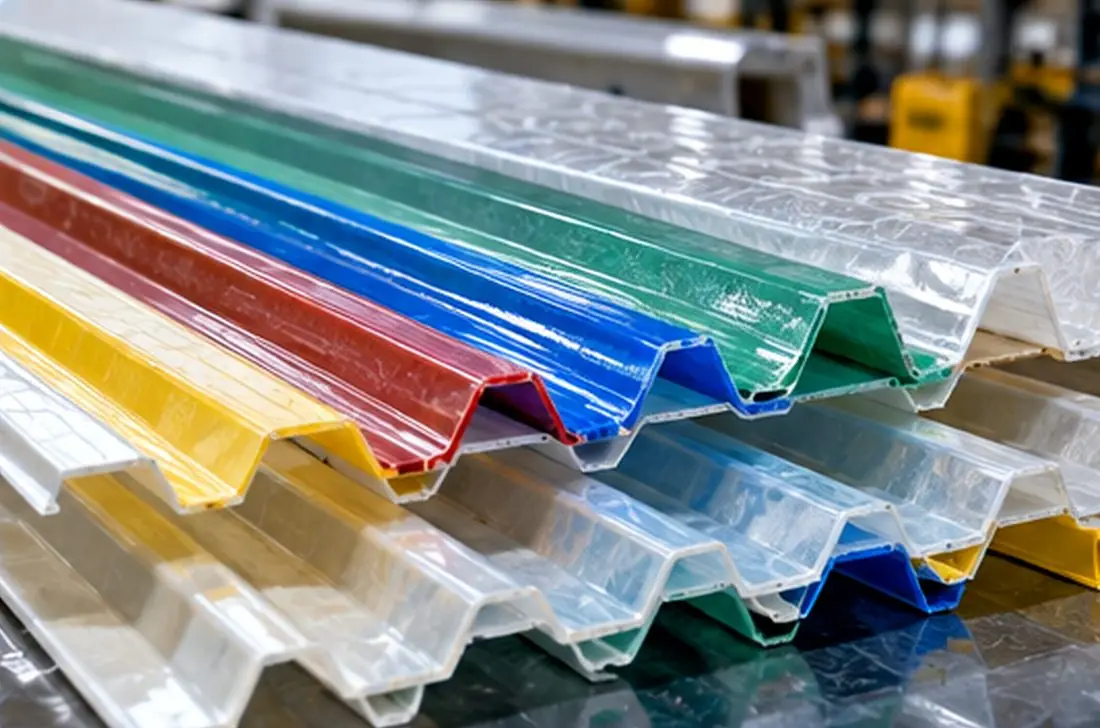
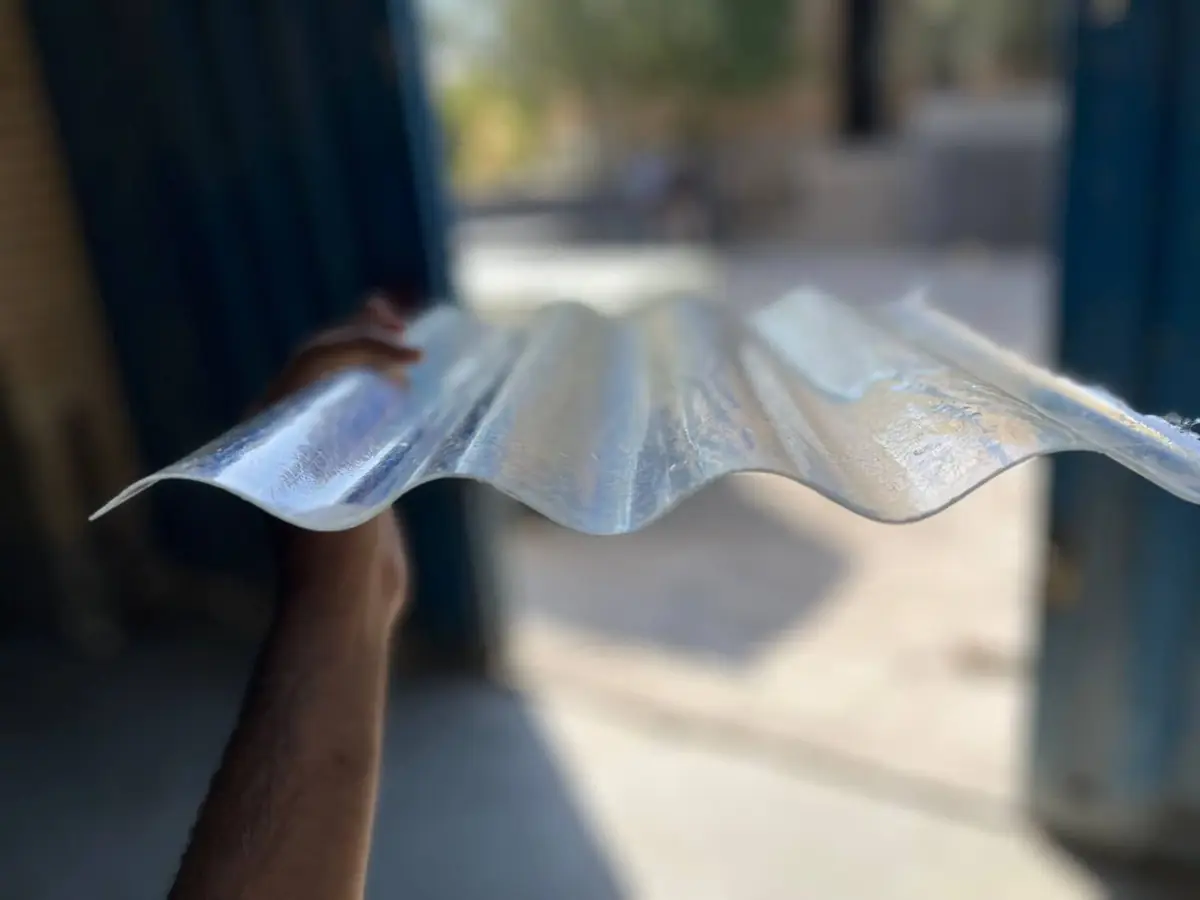
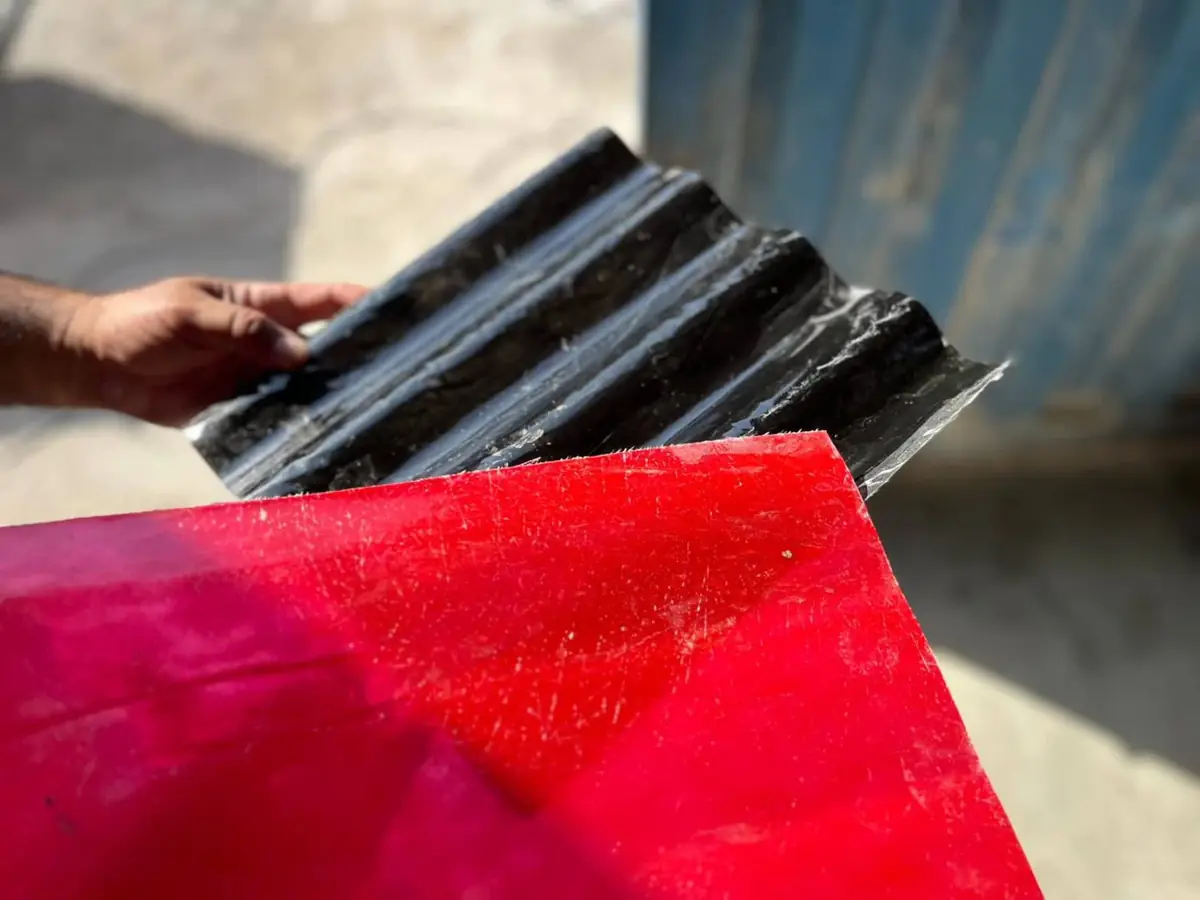
In the Iranian market this sheet is also known as fiberglass roofing sheet, plastic roofing sheet, fiberglass composite sheet and FRP sheet, and is produced in three main shapes: flat fiberglass sheet, corrugated (sinusoidal) fiberglass sheet and trapezoidal fiberglass sheet. See the technical specifications, thicknesses and properties of each type in the article technical specifications of fiberglass and plastic roofing sheet.
Advantages of fiberglass sheet
The wide use of fiberglass sheet stems directly from its properties. Its advantages make it a cost-effective option for most projects. The most important features of fiberglass composite sheet are:
The chart below shows one of the most important advantages of fiberglass sheet for roofing: much lower weight than traditional coverings. Lighter covering means smaller truss and purlin sections and a lower structure cost:
Depending on the layup, number of layers and resin type, the strength of fiberglass sheet and its chemical resistance in corrosive environments can be increased. These parameters directly affect the price of fiberglass sheet, so specifying the application conditions precisely before buying avoids paying extra or choosing a sheet that is too weak.
Fiberglass sheet for roofing, walls and building cladding
Thanks to the unique properties of fiberglass composite sheet, it has many domestic, industrial and agricultural uses. The largest group of applications is roofing, pitched-roof sheeting, wall cladding and canopies:
Fiberglass roofing
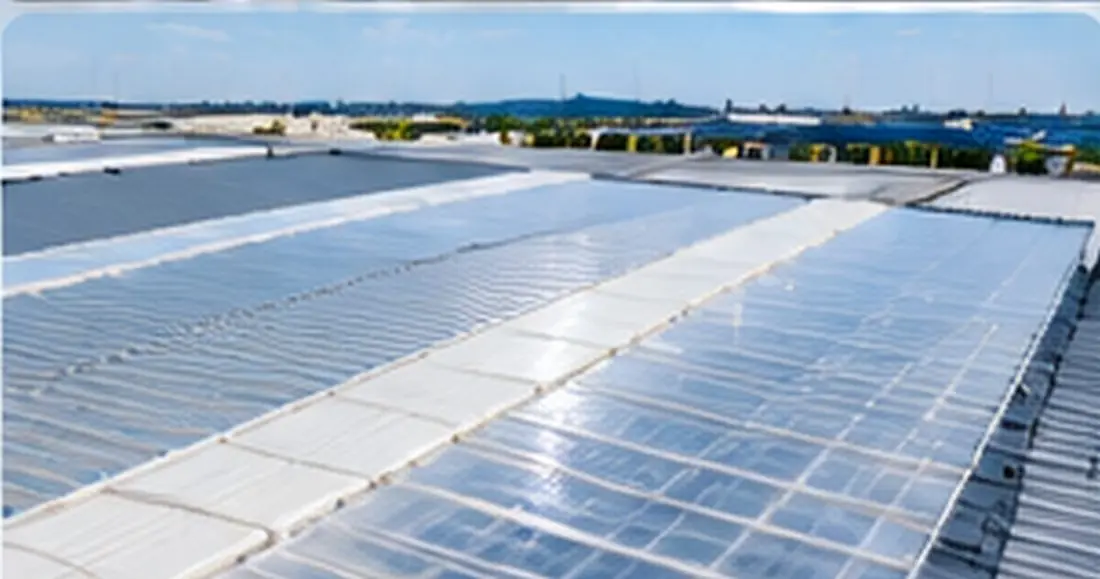
Fiberglass sheet for the roofs of industrial sheds, warehouses and factory halls; low weight reduces the load on the structure, and it does not rust in corrosive environments.Corrugated or trapezoidal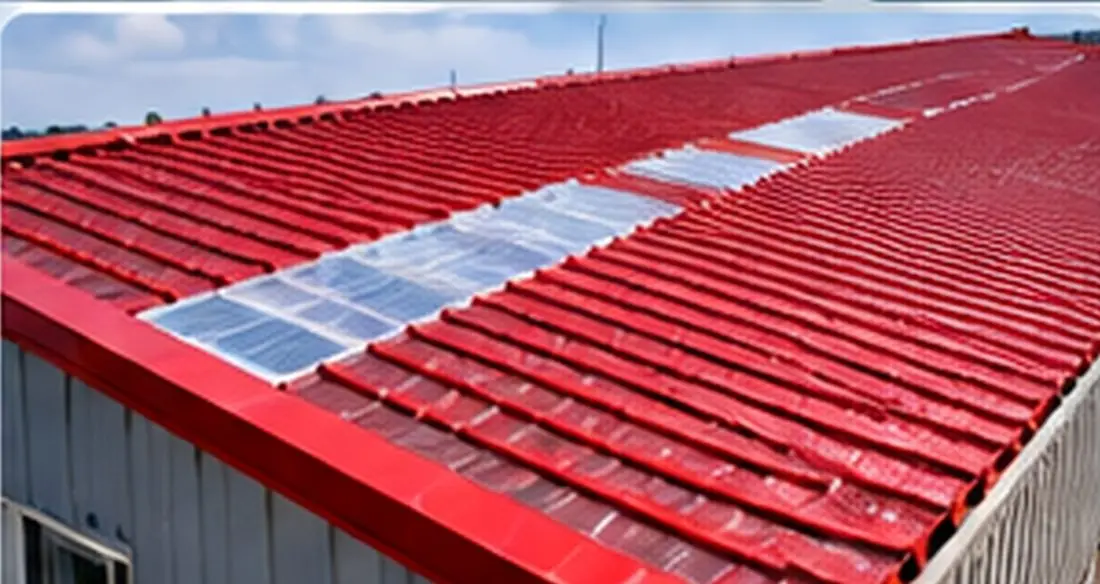
Fiberglass pitched-roof sheet
Covering for pitched roofs of residential, villa and rural buildings; colored or translucent, combined with skylight strips.Colored trapezoidal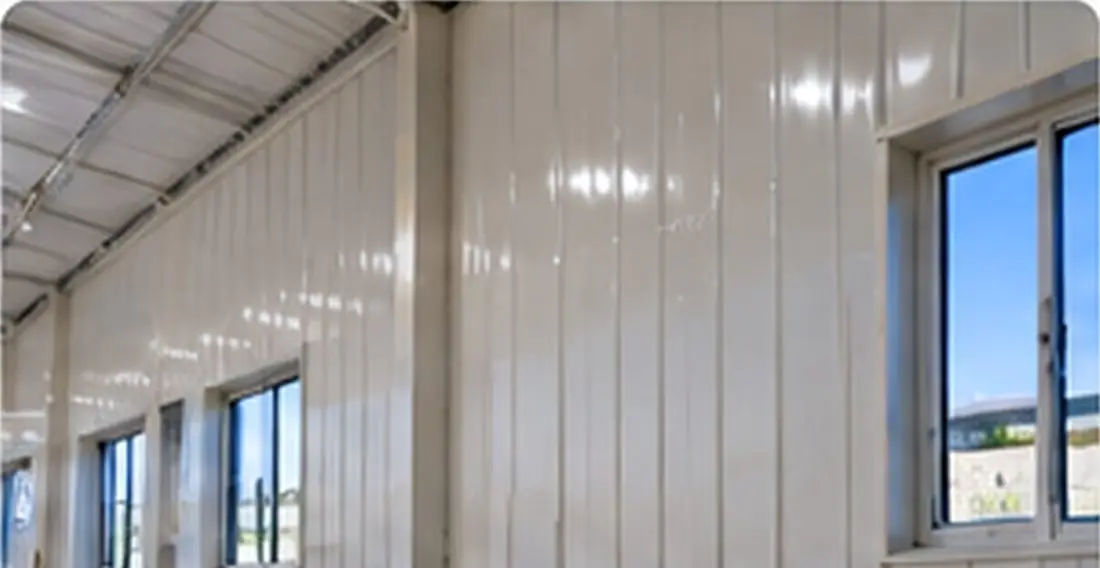
Fiberglass wall cladding sheet
Fiberglass composite cladding for the walls of sheds, workshops, slaughterhouses and cold stores; a hygienic, washable, moisture-resistant surface.Flat or trapezoidal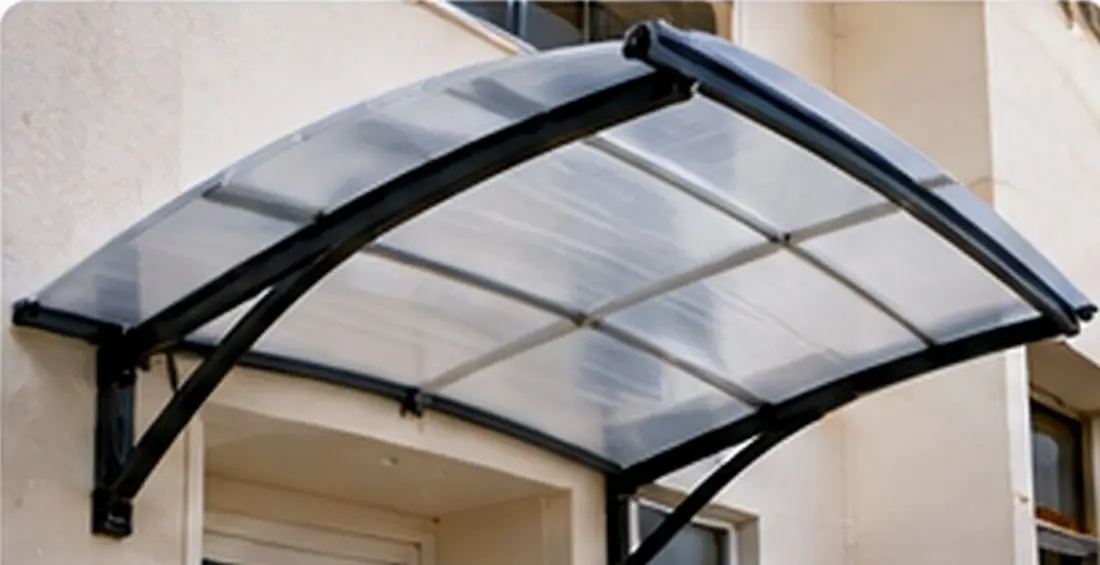
Fiberglass canopy sheet
Canopies for doors, windows, air coolers, yards and balconies; can be bent into an arch and lets soft light through.Clear or colored sinusoidal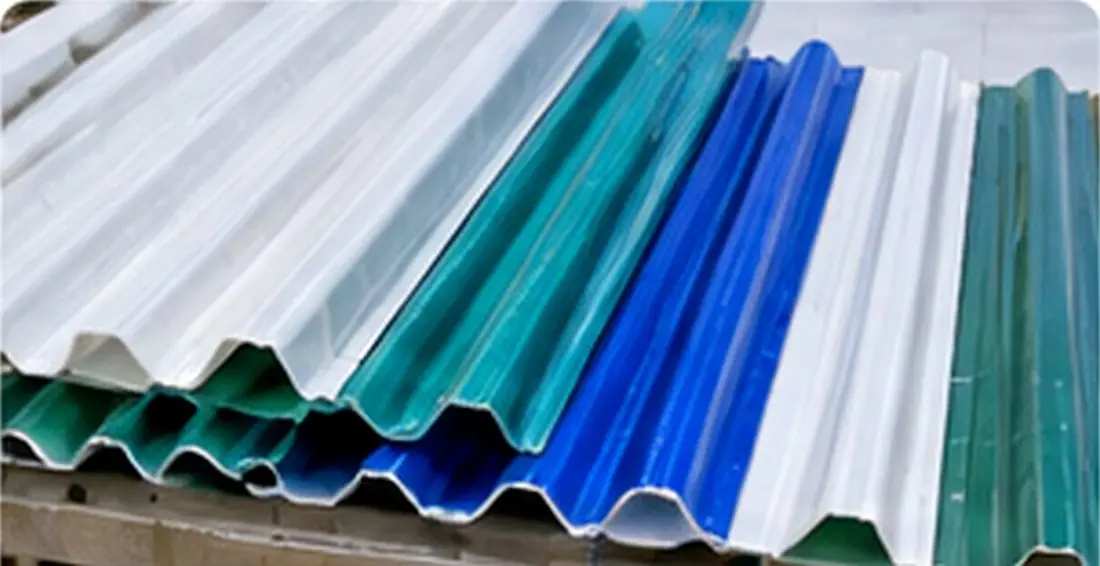
Fiberglass corrugated roofing sheet
Fiberglass corrugated sheet is a light, unbreakable alternative to fiber-cement corrugated sheet, for the roofs of warehouses, livestock buildings, portable cabins and temporary structures.Sinusoidal (corrugated)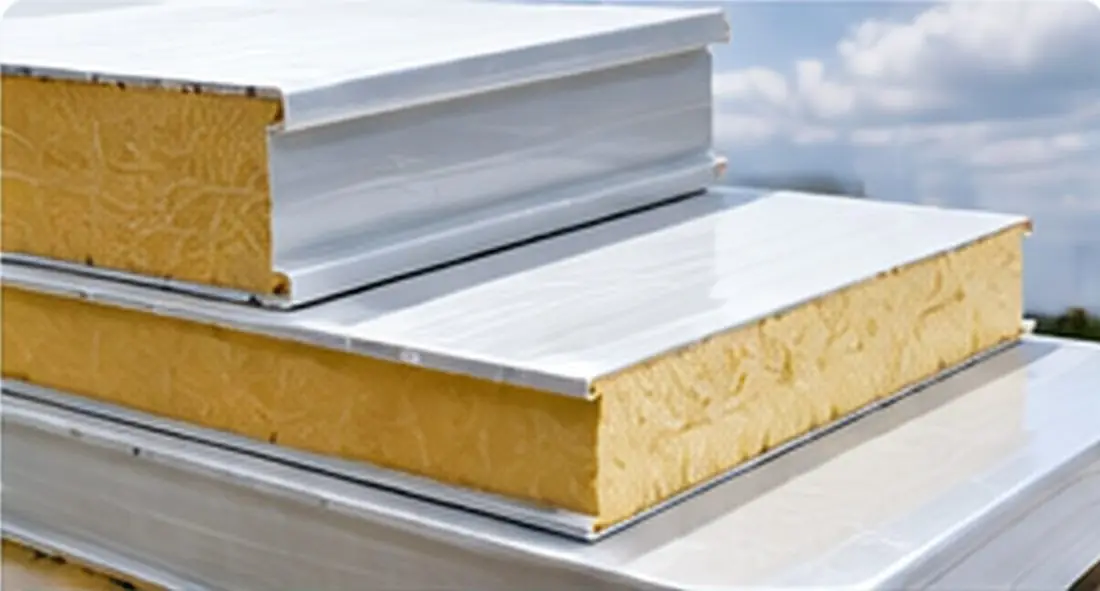
Fiberglass sandwich panel
Fiberglass skins on a polyurethane foam or rock wool core; thermal and acoustic insulation for cold stores, portable cabins and clean rooms.Flat skin sheet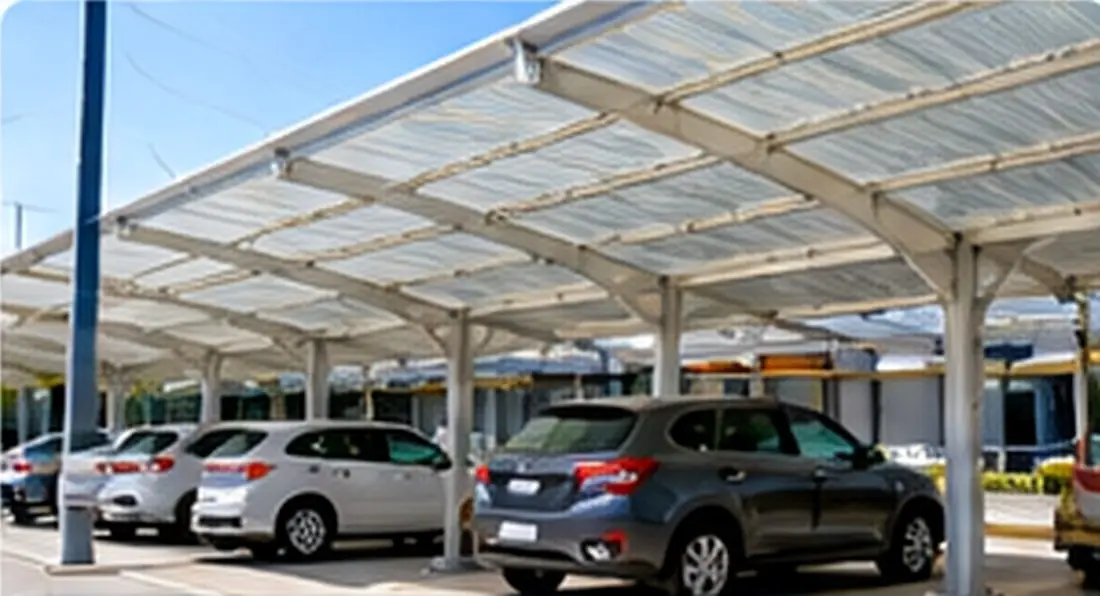
Fiberglass carport sheet
Carport roofs for residential, office and military complexes; corrugated or trapezoidal sheet on a light structure.Corrugated or trapezoidal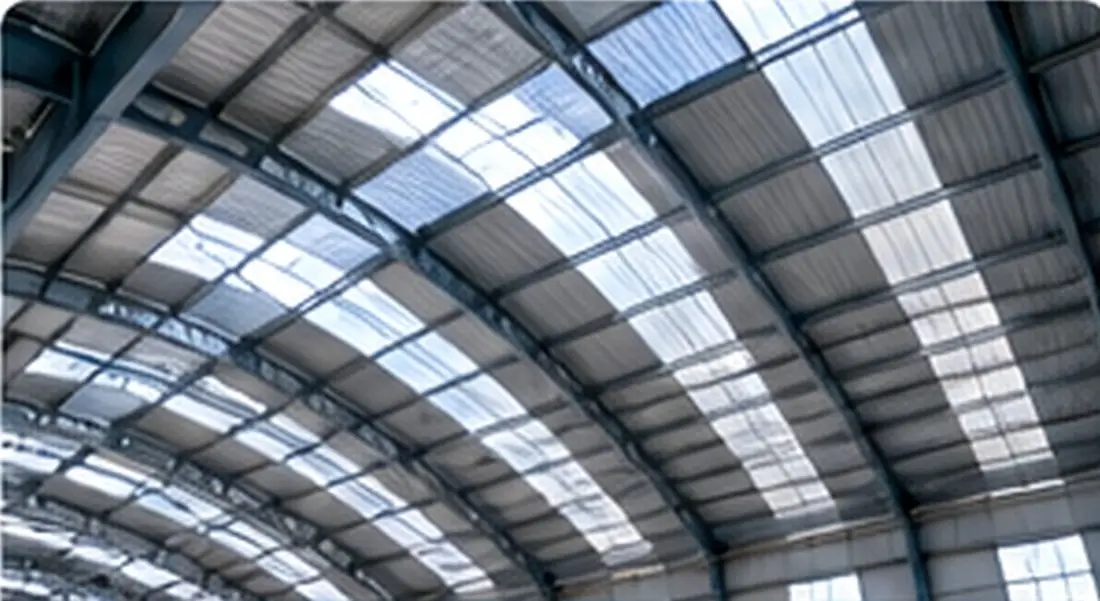
Fiberglass skylight sheet
Skylights for the roofs of sheds, warehouses, farms, swimming pools, carports and portable cabins; diffused daylight without harsh shadows.Clear sinusoidal and trapezoidal Fiberglass sheet in industry, agriculture and architecture
Besides building roofs and walls, from cooling towers to greenhouses and farms, fiberglass sheet also has an important place in more specialized applications:
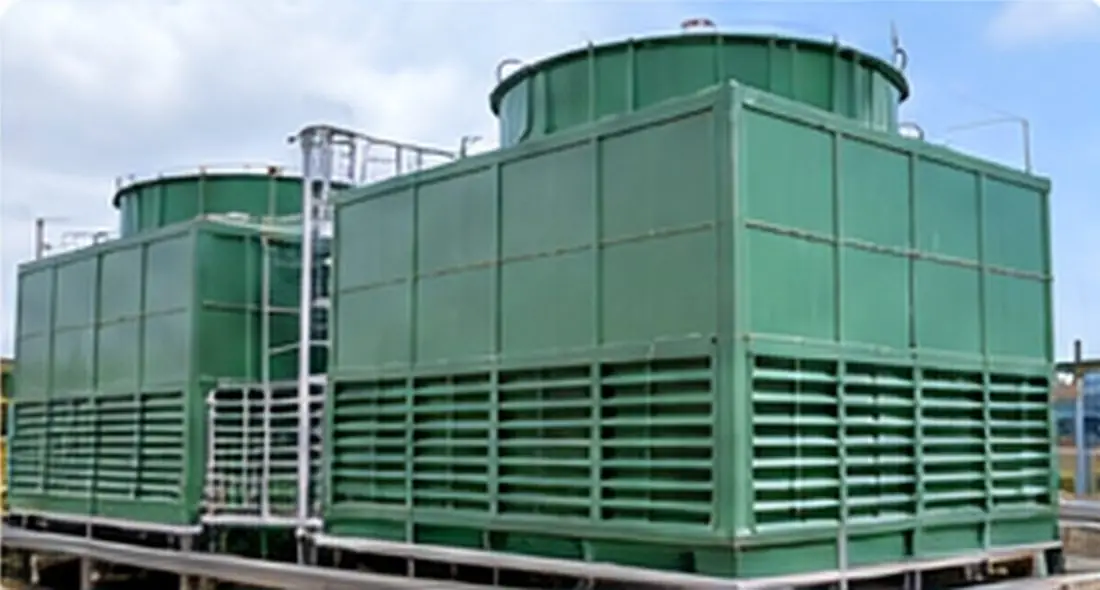
Fiberglass sheet for cooling towers
Walls and roofs of cooling towers; resistant to hot water, steam, water treatment chemicals and algae growth.Trapezoidal with isophthalic resin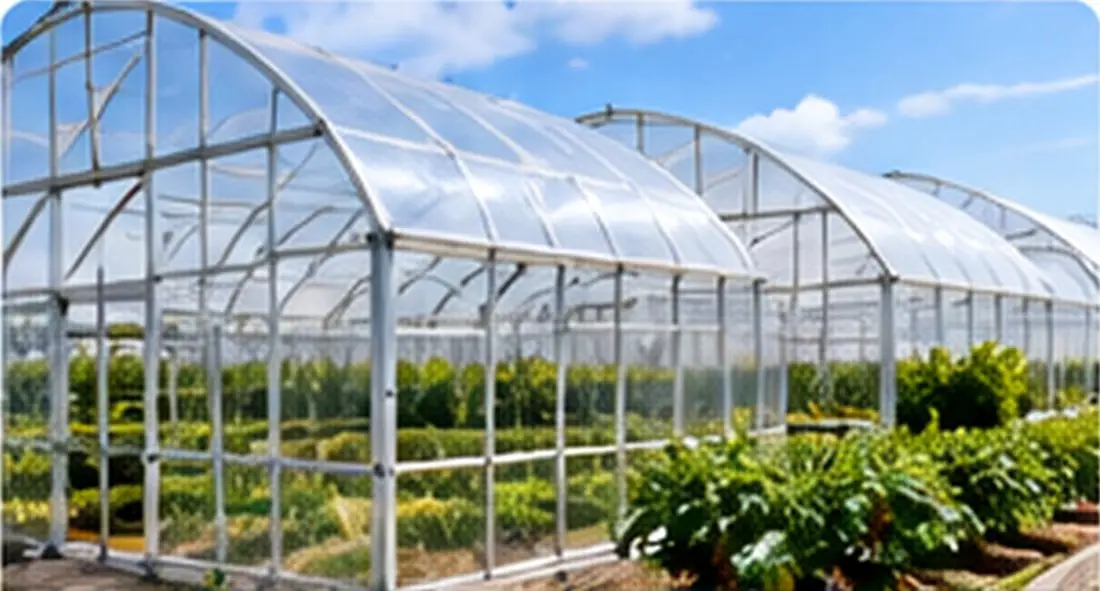
Fiberglass greenhouse sheet
Greenhouse roof and wall covering; diffused light, uniform plant growth and several times the life of greenhouse film.Clear sinusoidal with UV protection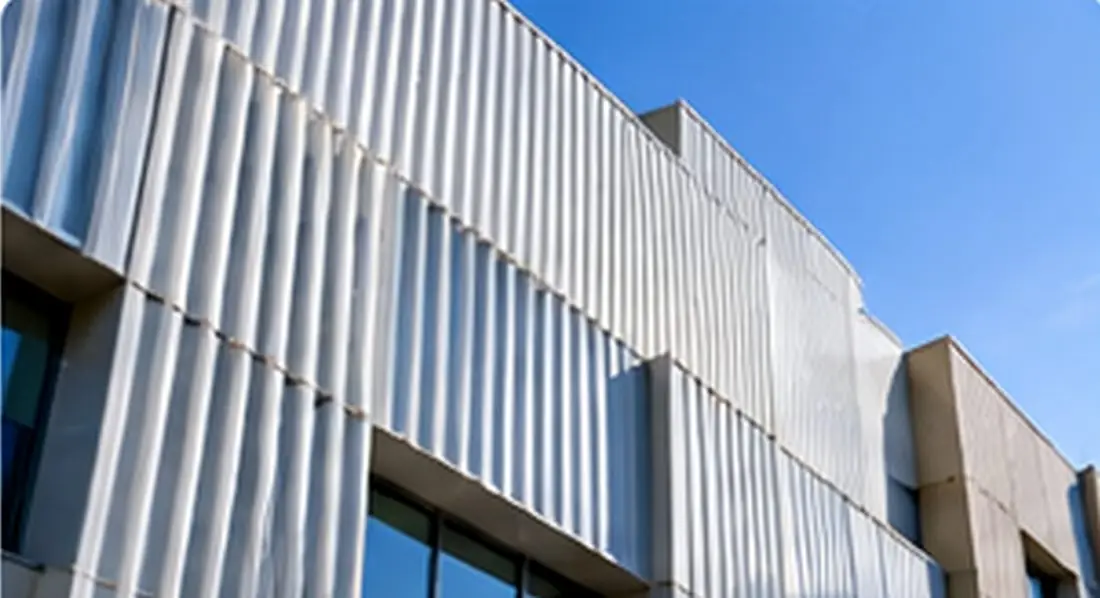
Fiberglass facade sheet
Facades of industrial, commercial and sports buildings; lasting color and the option of backlighting translucent sheet.Colored trapezoidal and flat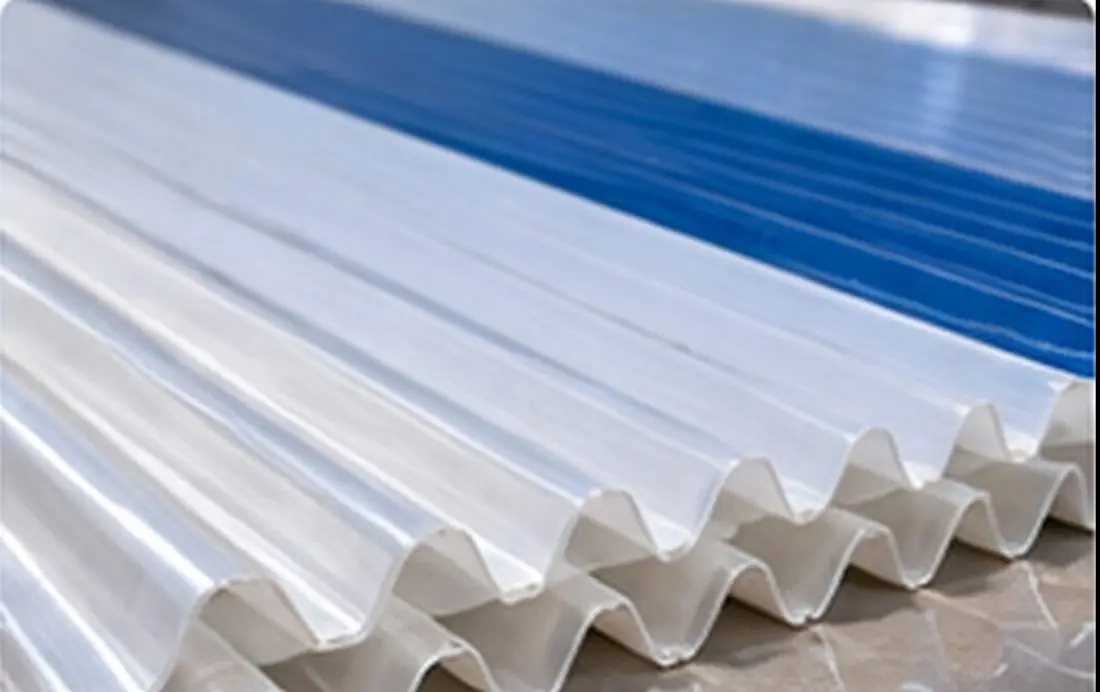
Fiberglass louver sheet
Ventilation louvers for shed and plant room walls; airflow with protection from rain and sun.Louver profile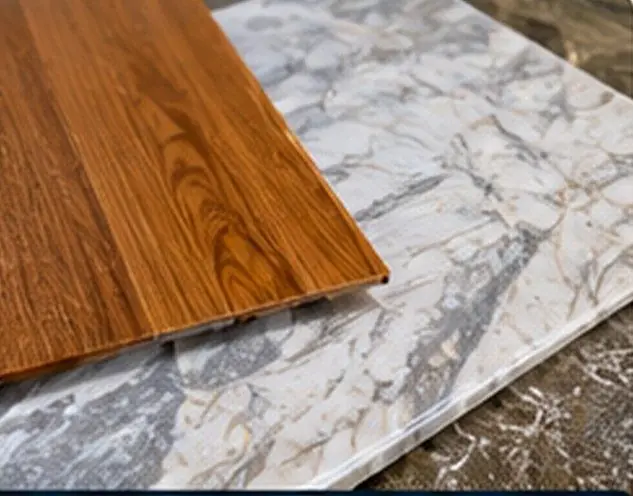
Wood-effect and stone-effect fiberglass sheet
Decorative sheets with a wood or stone appearance for interior cladding, facades and furniture; no rot or cracking.Patterned flat sheet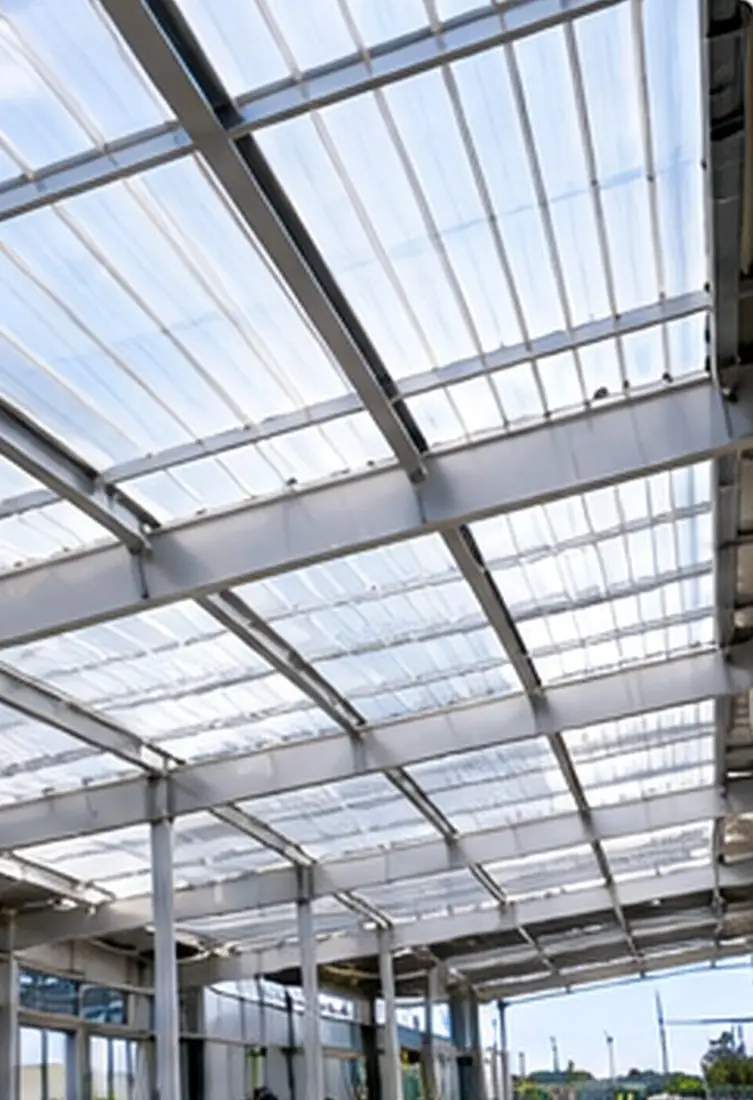
Fully translucent roofs
Complete roofing of sports halls, indoor swimming pools and exhibition halls with translucent sheet on a light structure.Clear sinusoidal or trapezoidal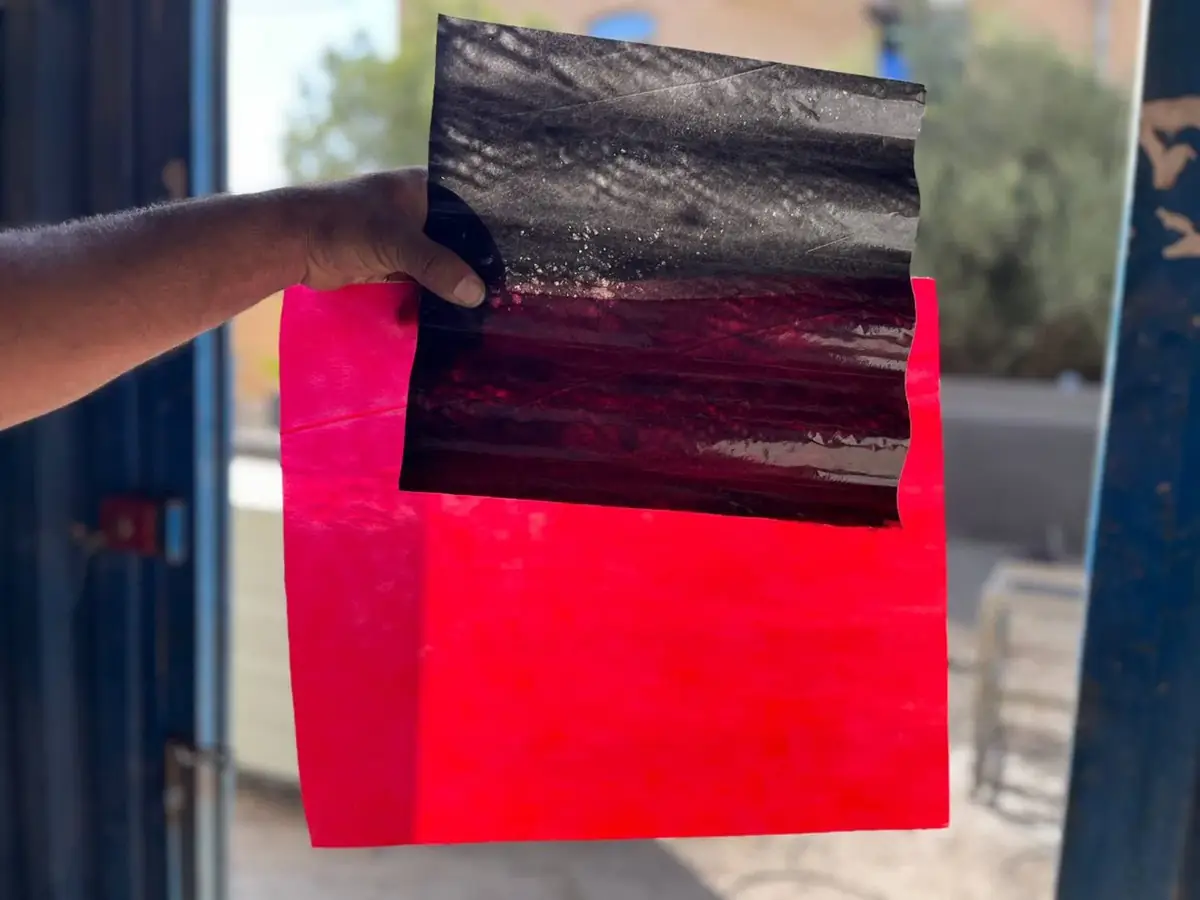
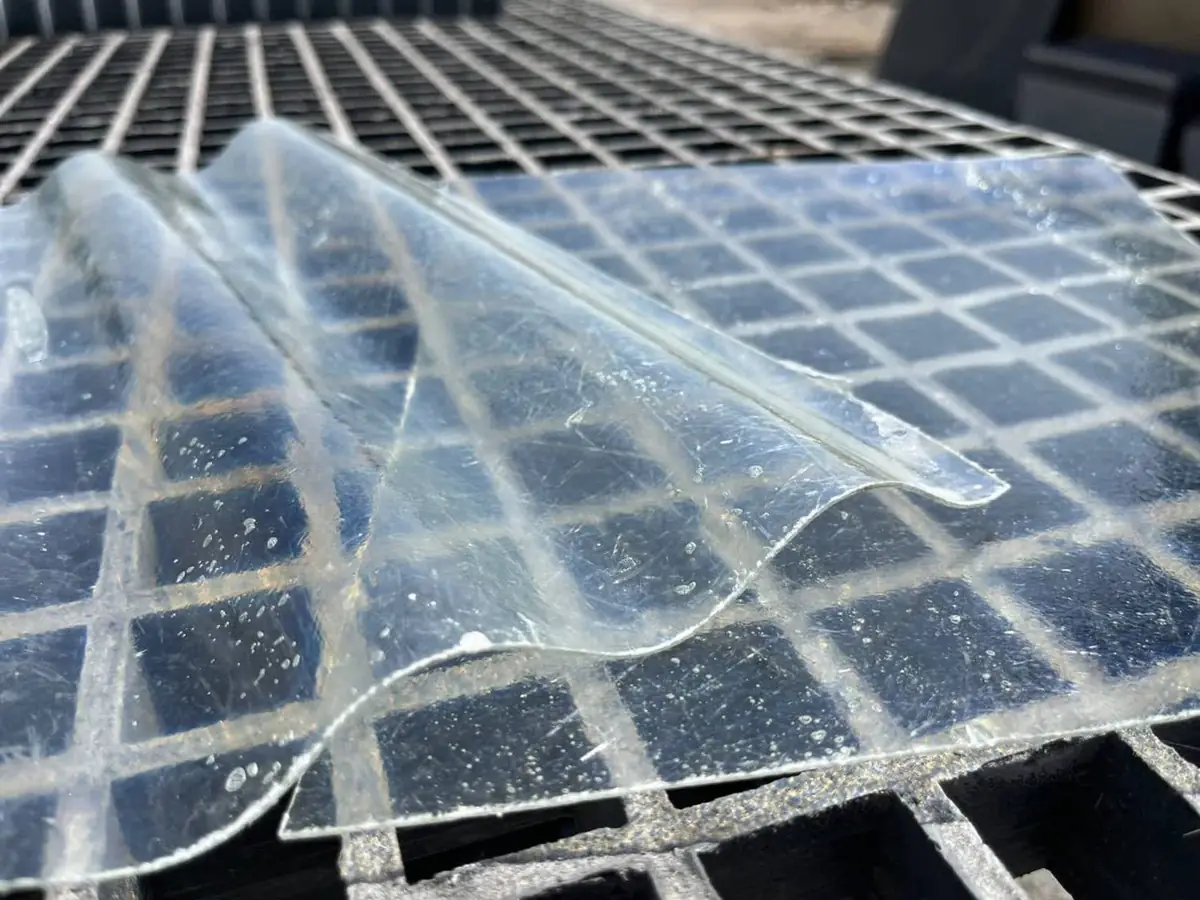
Technical notes on skylight sheet
In fiberglass skylight sheet, light transmission depends on thickness, color and fiber type: clear colorless sheet transmits the most light, while colored or opal sheets transmit less light but more evenly. An important advantage of fiberglass sheet over glass and clear polycarbonate is light diffusion; the glass fibers scatter light in different directions, so no harsh shadows or hot spots appear in sheds and greenhouses. For shed roof skylights, usually 10 to 15 percent of the roof area is covered with clear fiberglass sheet matching the main sheet profile.
Other uses of fiberglass sheet
The use of fiberglass sheet is not limited to building cladding:
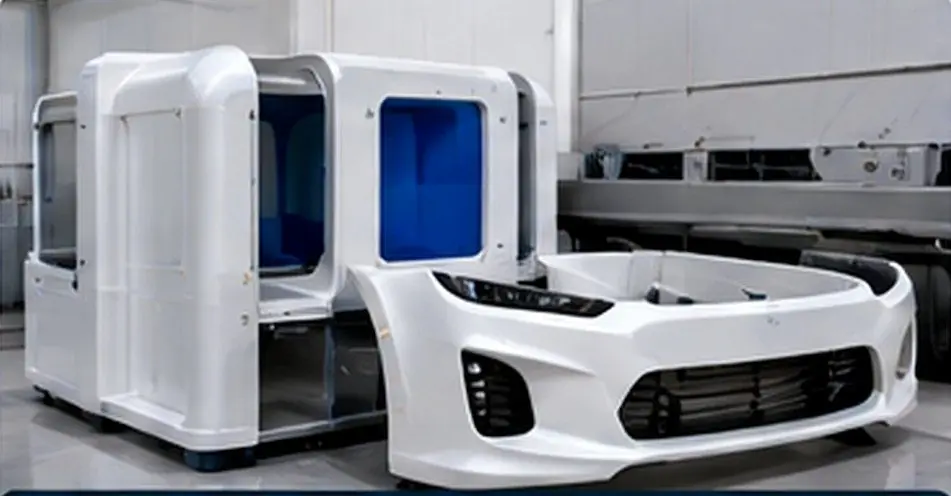
- Housings and covers for medical and industrial equipment: flat fiberglass sheet is used for machine housings, machinery covers and control cabins.
- Fire-retardant fiberglass sheet: fiberglass sheet can be produced with flame-retardant resin and additives for environments with fire safety requirements.
- Automotive industry: the light weight of fiberglass sheet reduces vehicle weight, and a fiberglass bumper does not crack under light impacts; flat fiberglass sheet is used to make parts such as bumpers, cabs, van bodies and caravans.
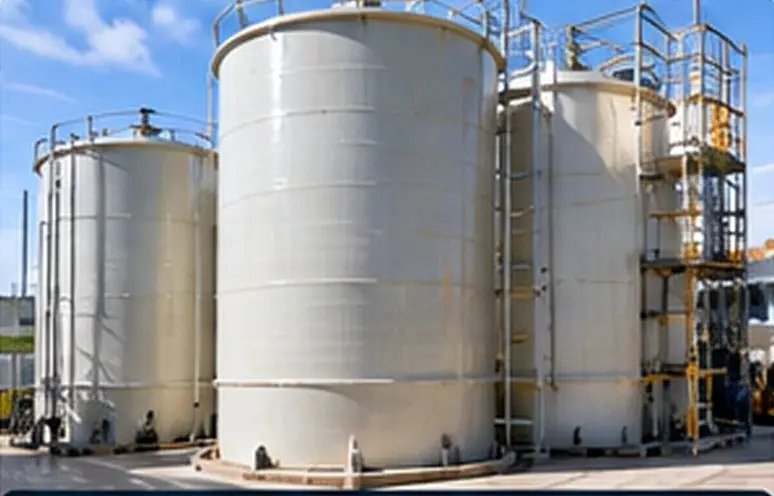
- Lining water and acid tanks: as an insulating and protective layer for water and acid tanks and storage towers, fiberglass sheet prevents rot and corrosion of the tanks.
Comparing fiberglass sheet with other roof and wall coverings
To help you make an informed choice, we have compared flat, corrugated and trapezoidal fiberglass sheet with the most common alternative coverings. The table shows why fiberglass composite sheet is a cost-effective, economical option in many applications:
| Criterion | Fiberglass sheet | Fiber-cement sheet | Galvanized sheet | Polycarbonate |
|---|---|---|---|---|
| Weight | Very low | High | Moderate | Low |
| Brittleness | Unbreakable | Brittle | Permanent denting | Scratch-sensitive |
| Corrosion and rot | None | Surface erosion | Rusts | None |
| Light transmission | Diffused, adjustable light | None | None | Direct light |
| Chemical resistance | Excellent | Moderate | Poor | Weak against solvents |
| Theft | No scrap value | Low | High | Low |
| Custom production (color, shape, size) | Full | Limited | Moderate | Limited |
In corrosive environments such as livestock and poultry buildings, fertilizer plants and coastal areas, galvanized sheet rusts and perforates within a few years, whereas fiberglass sheet with a suitable resin remains unchanged for years. That is why the life-cycle cost of fiberglass sheet is usually the lowest of all the options, and its longevity is its main economic advantage.
Fiberglass sheet for domestic and urban use
Besides industrial and agricultural applications, fiberglass sheet is also very common in domestic use:
- Window and air cooler canopies: fiberglass canopy sheet protects air coolers and windows from sun and rain without blocking the light.
- Covering yards, terraces and rooftops: clear or colored fiberglass sheet on a light structure creates usable covered space.
- Home carports: fiberglass carport sheet for villas and residential complexes is light and inexpensive.
- Wall cladding for bathrooms, commercial kitchens and washrooms: flat fiberglass cladding with a glossy surface is waterproof and washable.
- Decoration with wood-effect and stone-effect fiberglass sheet: decorative cladding and fiberglass composite wall panels with the look of wood or stone, without the moisture sensitivity and rot of wood or the weight of stone.
In urban spaces, fiberglass sheet is used in bus shelters, kiosks, park canopies and farm and garden covers. In portable cabins, flat fiberglass sheet forms the skin of sandwich panels, and fiberglass composite wall panels create an insulated, hygienic wall.
Fiberglass sheet selection table by application
The table below summarizes sheet shape, common thickness and the key selection note for the most common applications:
| Fiberglass sheet application | Sheet shape | Common thickness (mm) | Key note |
|---|---|---|---|
| Shed and warehouse roofing | Trapezoidal or corrugated | 1.2 to 2 | Purlin spacing to suit snow load |
| Pitched-roof sheet | Colored trapezoidal | 1.2 to 1.5 | Light color to reduce heat absorption |
| Industrial and hygienic wall cladding | Flat or trapezoidal | 1 to 2 | Glossy gel coat surface for washing |
| Canopies and awnings | Sinusoidal | 0.8 to 1.2 | Flexibility for an arched form |
| Skylight sheet | Matching the main sheet profile, clear | 1 to 1.5 | UV additive and layer |
| Carport | Corrugated or trapezoidal | 1.2 to 1.5 | Enough slope for drainage |
| Greenhouse | Clear sinusoidal | 0.8 to 1.2 | Diffused light and UV protection |
| Cooling tower | Trapezoidal | 1.5 to 2.5 | Isophthalic or vinyl ester resin |
| Facade and louvers | Flat, trapezoidal or louver | 1.5 to 3 | Lasting color and UV coating |
| Sandwich panel | Flat | 1 to 2 | Good adhesion to the insulating core |
For cutting, drilling and correct installation of fiberglass sheet, see the article cutting composites, and to learn how it is made, the article the hand lay-up method.
Nabak Composite fiberglass sheet
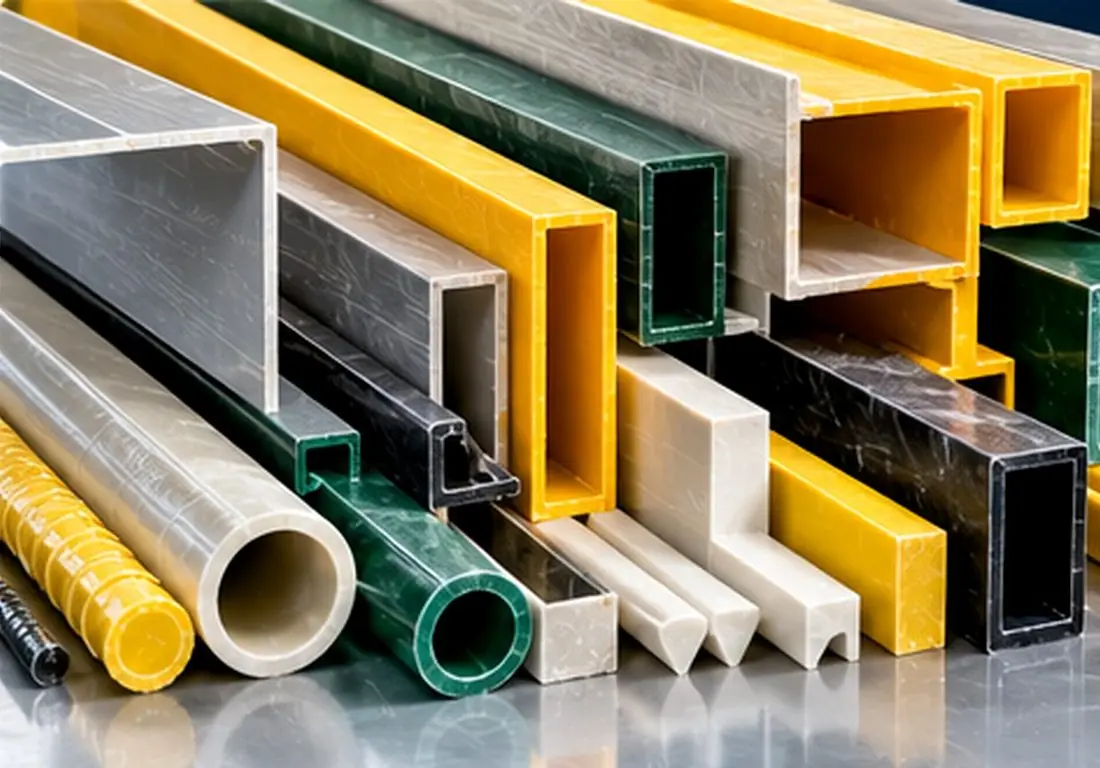
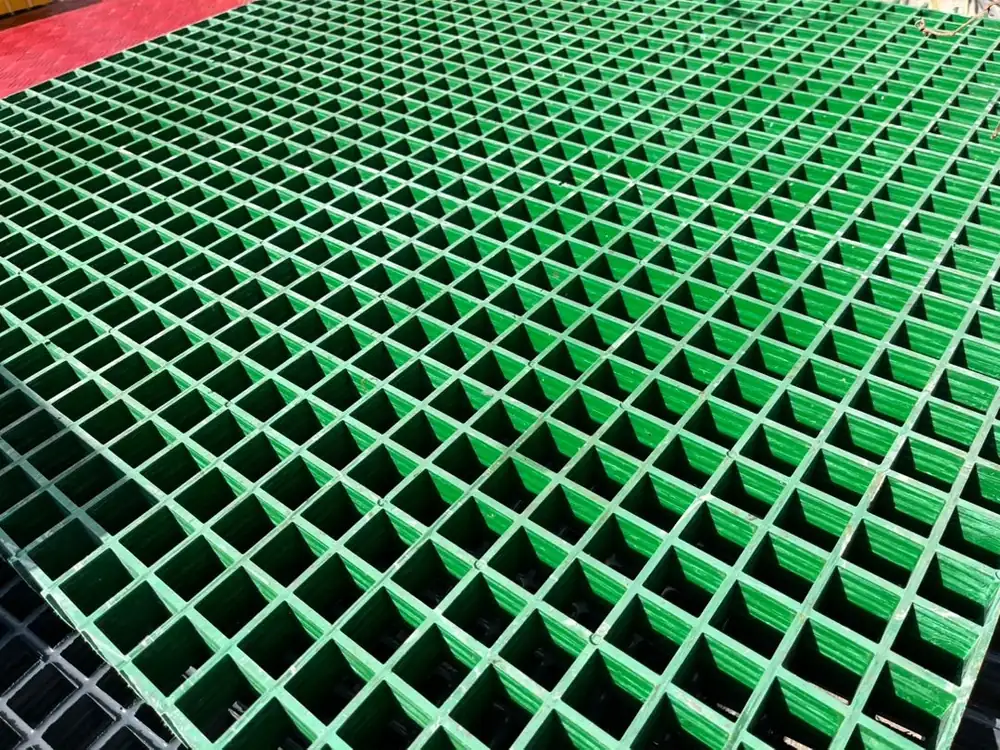
Nabak Composite produces and supplies flat, corrugated (sinusoidal) and trapezoidal fiberglass sheet in a range of thicknesses, colors and numbers of layers, in rolls or sheets and in the lengths and widths required — from pitched-roof and cladding sheet to stone-effect and louver sheet. Nabak produces a wide range of composite products, from fiberglass sheet to profiles and composite grating. Our team recommends the right sheet based on application, environmental conditions and project budget. Contact us for a fiberglass sheet price quote.
Frequently asked questions about fiberglass sheet applications
What is fiberglass sheet used for?
Fiberglass sheet is used for shed and warehouse roofing, pitched-roof sheeting, wall cladding, canopies, sandwich panels, carport roofs, roof skylights, cooling towers, greenhouses, building facades, ventilation louvers, wood- and stone-effect decorative sheet, housings for medical and industrial equipment, vehicle parts and anti-corrosion lining of tanks.
What is the difference between fiberglass corrugated sheet and fiber-cement corrugated sheet?
Fiberglass corrugated sheet is made from glass fiber and polyester resin and weighs about one sixth as much as fiber-cement sheet; it is unbreakable, can be translucent or colored and does not absorb water, whereas fiber-cement sheet is heavy, brittle and opaque.
Which fiberglass sheet is suitable for shed roof skylights?
For shed roof skylights, choose clear or translucent fiberglass sheet matching the main roof sheet profile (sinusoidal or trapezoidal), with UV additive and a protective layer, so it can be installed leak-free alongside metal or colored fiberglass sheets.
Is fiberglass sheet suitable for greenhouses?
Yes. Clear fiberglass sheet diffuses light and prevents leaf scorch, resists hail and wind, and lasts for years with UV protection; its life is several times that of greenhouse film.
What factors affect the price of fiberglass sheet?
The price of fiberglass sheet depends on the number and weight of fiber layers, resin type (standard polyester, isophthalic or fire-retardant), UV additive, color, sheet shape (flat, sinusoidal or trapezoidal), and order size and quantity.
Summary
Combining glass fiber and polyester resin, fiberglass sheet is a light, strong, economical and durable material that resists UV and chemicals and has no theft value. These advantages have extended its use from roofing, pitched-roof sheeting, wall cladding, canopies, corrugated roofing, sandwich panels and carports to skylights, cooling towers, greenhouses, facades, louvers and wood- and stone-effect sheets. Choosing the right sheet shape (flat, corrugated or trapezoidal), thickness, resin and UV additive for each application ensures maximum durability at minimum cost.

This article was prepared by the technical team of Nabak Composite, a manufacturer of fiberglass sheet and composite products.